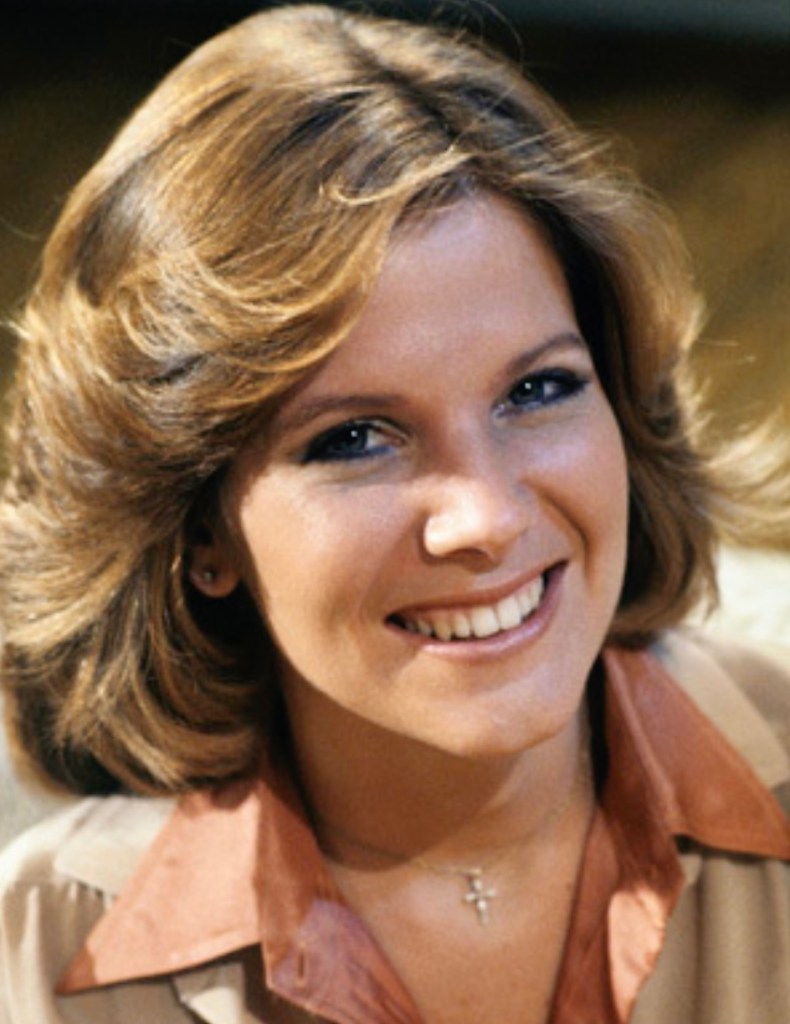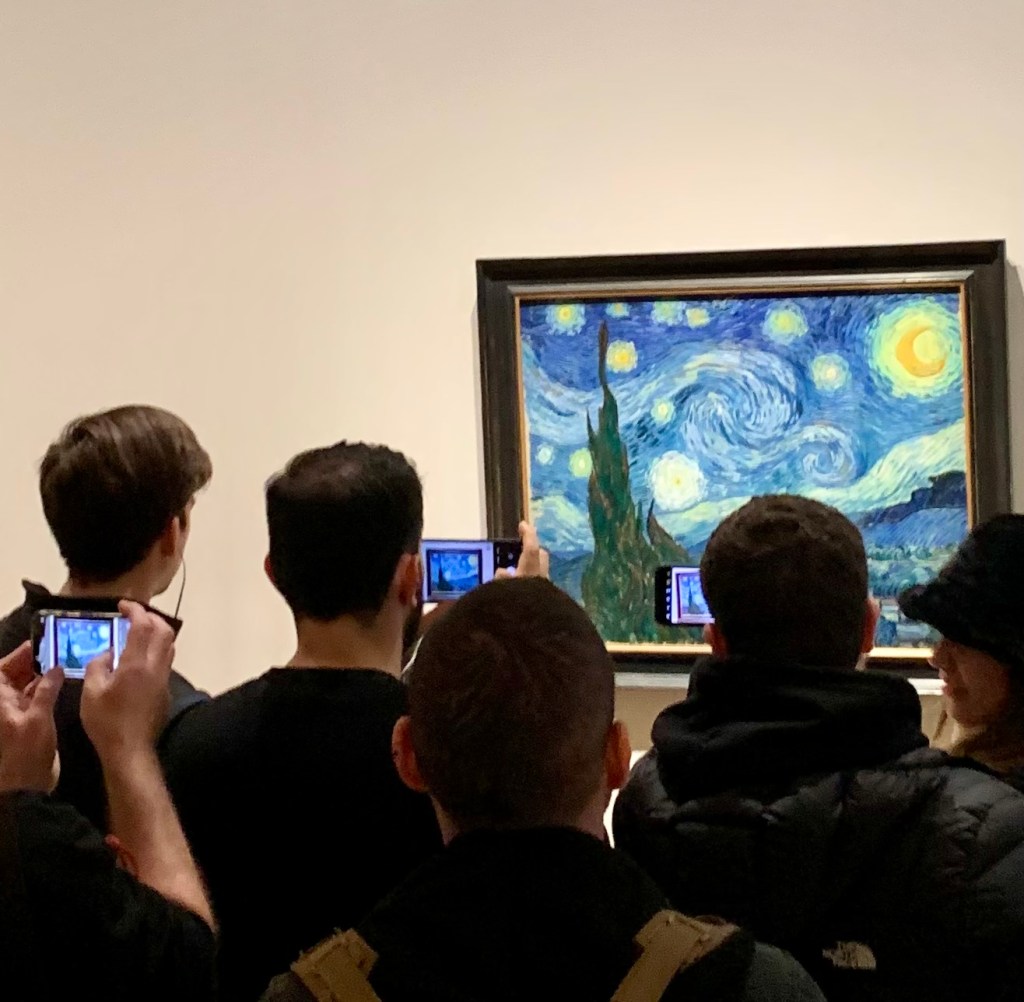

“Things”
Some things look like other things
And other things don’t
Semi-random musings, poems, and visual images from the journey


“Things”
Some things look like other things
And other things don’t

The rule of three is a familiar notion to us all, whether or not we are conscious of it. Stories have a beginning, middle and an end, and trios in stories are very common, like The Three Musketeers or the The Three Little Pigs. Or games like rock, paper, scissors (I always found marry, shag, kill a bit too harsh for my liking). In comedy, this rule is often used to both establish a pattern and to pay it off.
“Fat, drunk and stupid is no way to go through life, son.” — Dean Wormer from “Animal House” (1978)
“I’d like to recharge my batteries… and shut down the engines… and get myself back to neutral.” — the Vince Vaughn character from “Wedding Crashers” (2005)
Musical chords are made up of three notes (root, third and fifth), and beyond that are considered chord extensions (e. g. Bb9#11) or modifications. In fragrance analysis, we hear-tell of base, heart and top notes, though mostly that’s lost on me (it either smells good or it doesn’t). New heights of pretension are reached with oenophiles as they wax on about traces of tobacco, lychee and leather and with the added bonus of descriptors for both nose and palate. The latter brings in temporal variations of attack, middle and finish — not unlike an arpeggiated musical chord. In any case, there seems to be a magical power to the number 3 that transcends genre and period. These range from from the Holy Trinity (Father, Son and Holy Spirit) and the gifts of the Three Magi (gold, frankincense and myrrh) to the three ghosts who visited Ebenezer Scrooge that fateful Christmas Eve to Peter, Paul and Mary and Earth, Wind and Fire to thoroughbred racing with its vaunted Triple Crown and classic win-place-show format.
“Epitaph, Valentine, Paul Revere… I got the horse right here!!” — from the Frank Loesser song “Fugue for Tinhorns” in “Guys and Dolls” (1955)

But it probably harkens back to the orality of story-telling that gives rise to the old teaching adage that humans are generally able to recall three things about a subject or lecture, with a precipitous drop-off in retention beyond. This matches my own experience and perhaps yours, as well. So with that in mind, let’s try to learn three interesting things about Constantin Brancusi (from Wikipedia):
1. Constantin Brancusi (1876-1957) was a Romanian born sculptor, painter and photographer who made his career in France. He was a pioneer in modernism and has been called the patriarch of modern sculpture.
2. He worked for only two months under Auguste Rodin, whom he greatly admired. His explanation for leaving was simple: “Nothing can grow under big trees.”
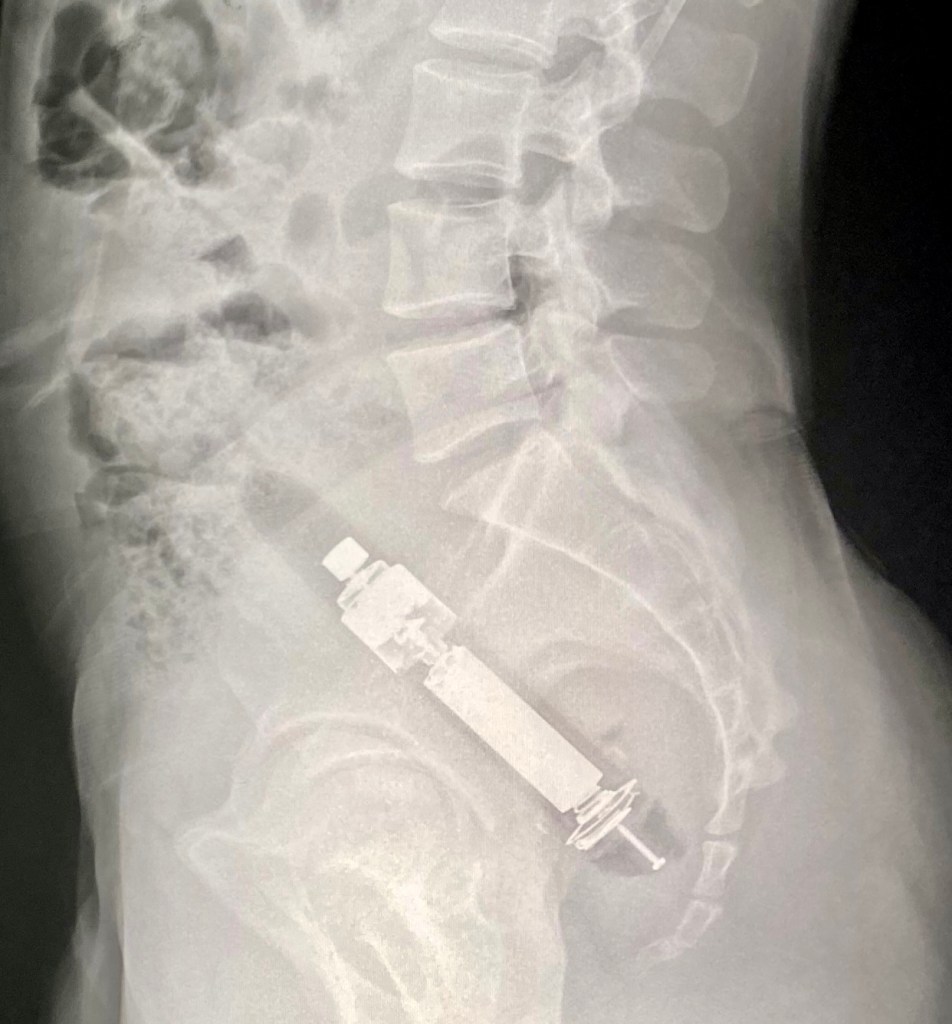
3. He courted controversy with his work titled “Princess X” (1915-16) — an abstract sculpture that reportedly depicts Princess Marie Bonaparte (great grandniece of the Emperor Napoleon), a beautiful and vain woman who also happened to be a psychoanalyst and friend of Sigmund Freud (again, three things: id, ego, superego). She is known for conducting research into female sexuality and frigidity, prompted by her own lack of fulfillment in the boudoir. The sculpture has a smooth C-shape meant to mimic the curve of a woman’s torso who is gazing upon herself. Unfortunately, it also looks much like an erect penis and was thus removed as an object of scandal from the Salon des Indépendants . Brancusi was shocked about the misunderstanding and claimed to be making a comment of feminine desire and vanity… though the judges said he failed to account for the battery compartment at bottom-rear.
“What my art is aiming at is above all realism; pursue the inner hidden reality, the very essence of objects in their own intrinsic fundamental nature: this is my only preoccupation.” — Constantin Brancusi


I’ve been a neuroradiologist for longer than I’ve been most anything else, as I took up guitar later in life and haven’t played golf seriously or proficiently for many years. One thing that’s at once both alluring and frustrating about the job is that there’s still so much to be learned (a return to our theme of ROUTINE + NOVELTY). And even if today they froze all knowledge, I would never catch up. Not to mention all the new drugs seen advertised as I numb my mind with reality TV (if there’s one thing that “Summer/Winter House” has taught us it’s that Luke Can’t Close (LCC). Poor Luke…). Strange names, indeed: Skyrizi, Latuda, Tremfya, Ocrevus, Taltz, Cibinqo. Most peculiar, Mama. And the list goes on and on. I’m baffled as to how my clinical colleagues deal with it. Maybe someday there will be just one giant horse pill that cures them all (Omrizi? Alltuda? Pancrevus?). But then atop this burgeoning pharmacopoeia come brand new diseases that you’ve never heard of like Bosch-Boonstra-Schaaf Optic Atrophy Syndrome. Presumably know only to the seven authors listed above prior to this publication, my first notion was a somatic disorder of vision loss after viewing “The Garden of Earthly Delights” by Hieronymus Bosch. An emotional impact so strong, mind you, that it results in atrophy of the optic nerves to prevent repeat viewing.

There is a lesser known variant (isn’t there always) of, if I may, BBSOAS that results in otic atrophy (BBSOtAS). Even one listen from start to finish of Scott Walker’s 2012 album “Bish Bosch” can cause irreversible hearing loss. I know this only because several friends bought the record to their ultimate dismay.

All this to say that what caught my eye in skimming the above journal abstract was the unintentionally humorous use of the word “common.” Medical verbiage cannot help but veer into self-parody, and I found funny the notion that anything could be deemed common in such a rare disease. The authors list the following in this category: mesial temporal dysgyria, perisylvian dysgyria, posterior predominant white matter volume loss, callosal abnormalities (a bit vague for my money), lacrimal gland abnormalities, and optic nerve volume loss. Got it, team, and I’ll on the look-out! But to these anomalies I would like to suggest some “uncommon” findings that may, or may not, be associated with BBSOAS (and BBSOtAS):
Hypotelorism (or is it hypertelorism? I can never recall. Both??)
Fused thalami
Schizencephaly
Colobomas (what isn’t?)
Monoventricle
Bifid ribs
Gorilla lung
Chthonic kidneys
Pancreatic microcystic/maybe solid papillary and/or mucinous neoplasm of uncertain malignant potential but usually benign (PMMSPAOMNUMPBUB lesion)
Anal duplication (one case report of triplication… another friend of mine)
Adnexal gnomes (JS!)


Why do we take selfies? That is what I was pondering yesterday after posting this one. My theory is that it’s not vanity, per se. But rather it’s a desire to see ourselves in the real world as other people might see us. It’s somehow a different visage from the one in our bathroom mirror (even if it’s a rest area bathroom mirror on an interstate in Kansas). And secondly, the point is to SHARE the image — to *ping* it someone else to remind them you are still alive and kicking out there somewhere. And further it’s to get a REACTION, some acknowledgment from the universe that your existence and whereabouts matter to another human. As I look at my own selfies, they tend towards attempts at humor or irony, though I doubt I would ever use one that I find highly unappealing (so some vanity, yes, and that’s why you often take several… to optimize the self-deprecation).
In this instance we were traveling cross country on a move from Denver to Baltimore and pulling a trailer. I was dressed in road-trip casual and was drawn to the etched graffiti on the mirror. I mean, who does that? And what should I write?? Not sure I understand the body stance other than it must be one that stabilizes the phone. And for the record, never with a selfie-stick.

I’m not on Facebook anymore and have never joined the morass of Twitter and Instagram, which intentionally restricts my audience to the contacts on my phone. I’m part of several running group chats, one going now for over ten years, and I’m sure I would have sent this to several. It says, “Hey, guys, we’re on the road and, in case you haven’t noticed, I’ve still got all my hair!” But in the end, I got exactly what I wanted, a laugh-out-loud funny response from an old friend (TH) who texted the following:
“You’ve definitely got COVID now.”
“Also, the estate of Steve Irwin ‘Crocodile Hunter’ called. They want his clothes back.”
Now THAT’s a fully-realized selfie! It has three components: the photo, the sharing, and the response. Because in the end, it’s all about the connection. Life as a running improvisation. But for that you need substrate/material, and what’s better than baiting your pals to (mildly) insult you?! I’ve lived long enough to know that everyone, deep down, wants a warm-hearted roast every now and then. And for that, my friends, I thank you.