“In the Flow”
Semi-random musings, poems, and visual images from the journey

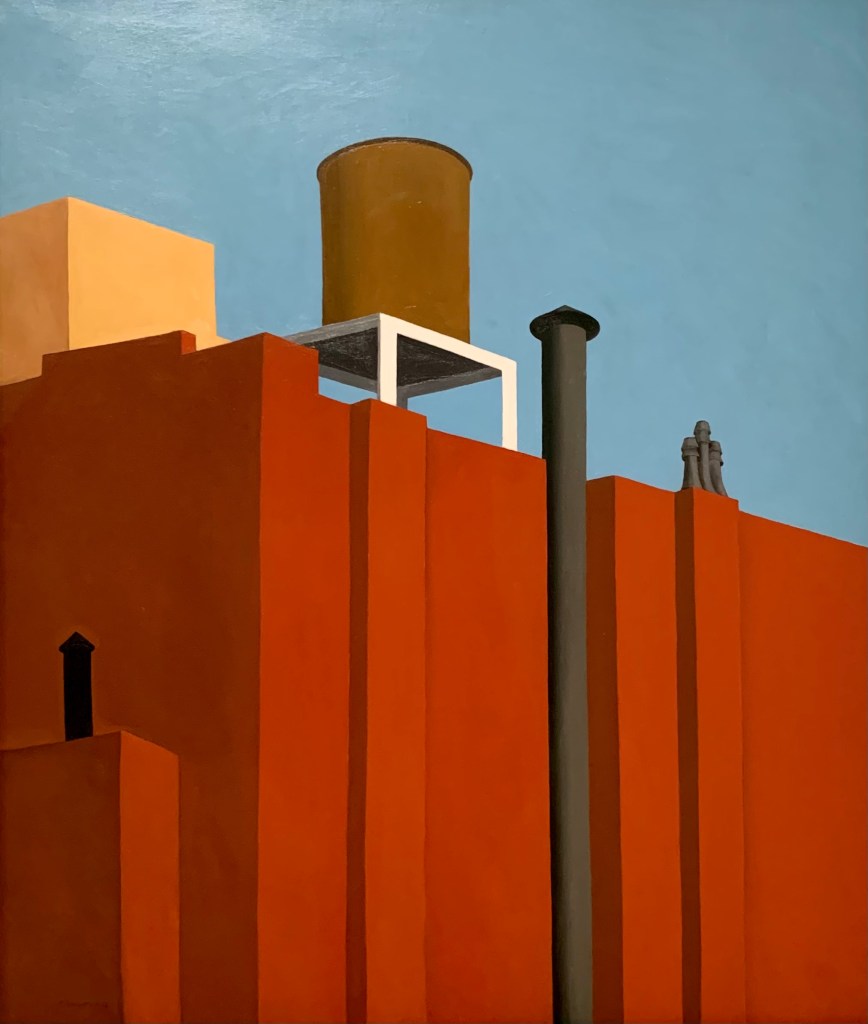
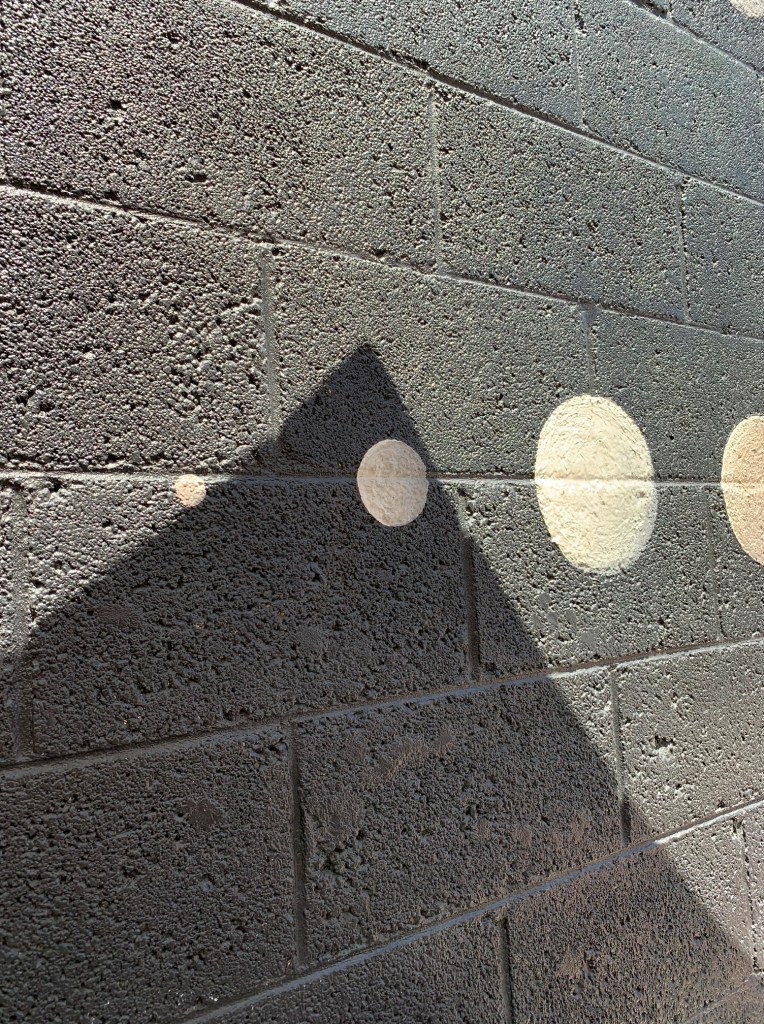
This scene brought to mind the American artist Charles Sheeler (1883-1965), whose works I’ve gradually come to enjoy. His scenes are clean and uncluttered, being of the Precisionist school of modern art that depicted an idealized form of industrialism. Known for painting so-called “immaculates,” this group of artists (also George Ault, Ralston Crawford, Charles Demuth and Georgia O’Keeffe) reduced skyscrapers and factories to their very essence. Pleasing lines and color palette, all simplified, in the way our own memories might. Sheeler was also a notable photographer and filmmaker, and he was pioneering in his use of captured still images as the basis for his art. His imagery (and that of his cohort), to me, is similar to Edward Hopper — but crucially stripped of the human frailty and melancholia that so characterizes the latter. In that way, they work in tandem. Obverse and reverse. Timeless, while also dated. The hopefulness of technical progress pitted against the limitations of man himself.

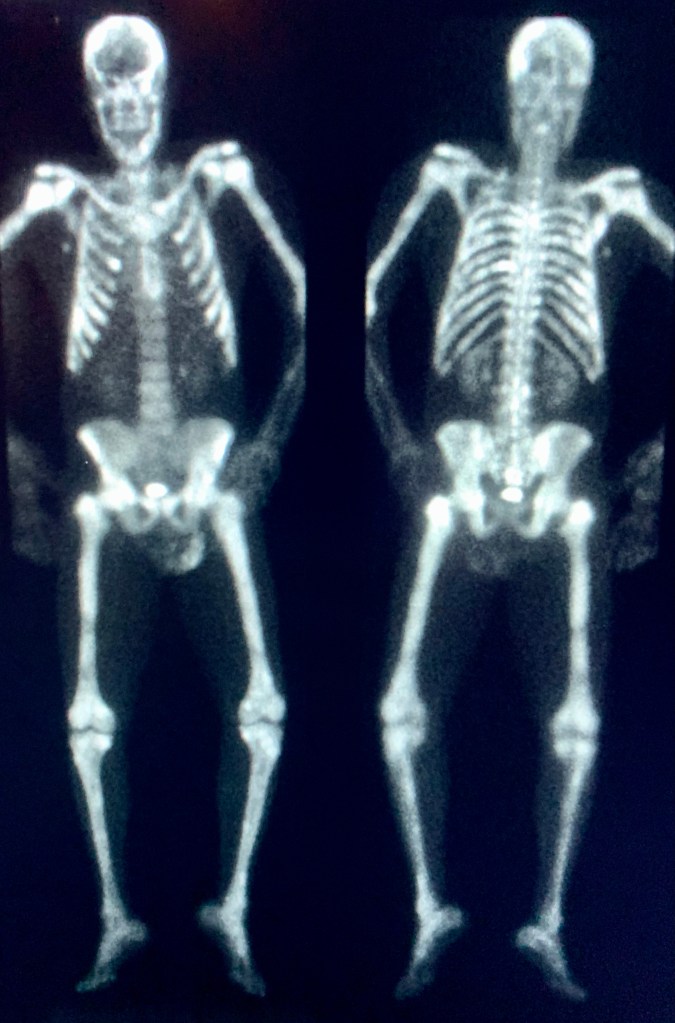
Dead Can Dance is an Australian duo that formed in 1981. Their music was described as “ethereal goth” in the early days but gradually evolved/expanded to include numerous worldly (and otherworldly?) influences, including African polyrhythms, Gaelic folk, Middle eastern, Gregorian chant, etc. I have an old friend who likes them, and that may be as close as I get. But I’m hoping to carve out the time for a deep dive. I think it’s good to keep some things in front of you. Most of all, death.

The band commented on their name and first self-titled album (per Wikipedia): “To understand why we chose the name, think of the transformation of inanimacy to animacy. Think of the processes concerning life from death and death into life. So many people missed the inherent symbolic intention of the work, and assumed that we must be ‘morbid gothic types’.”

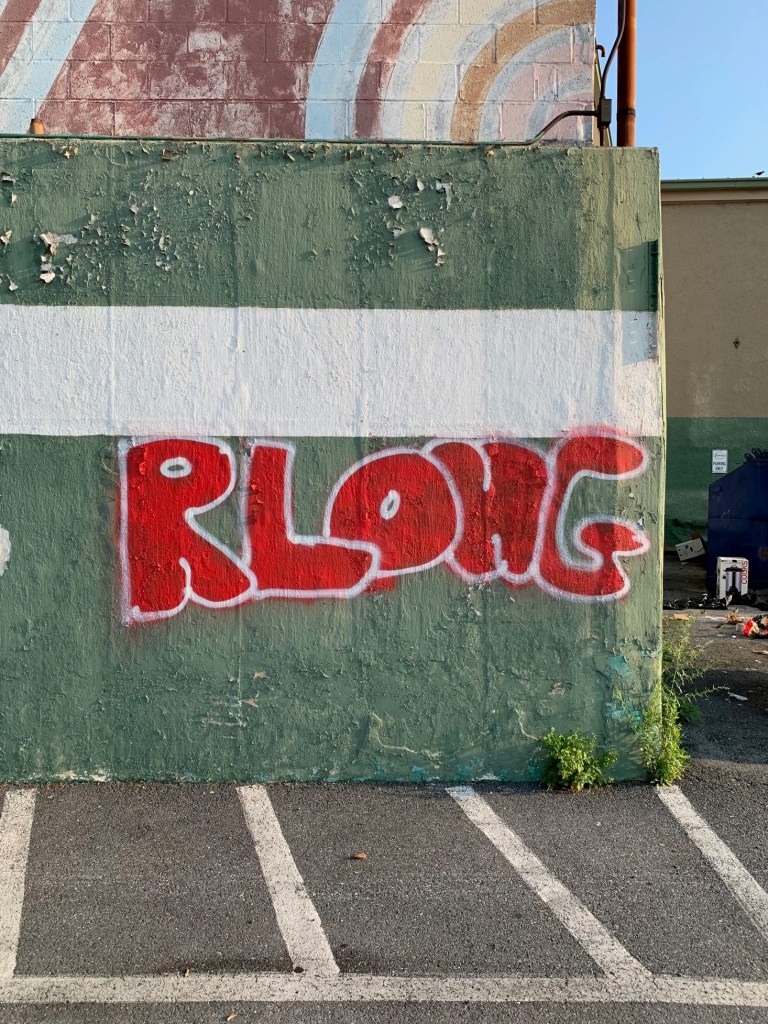
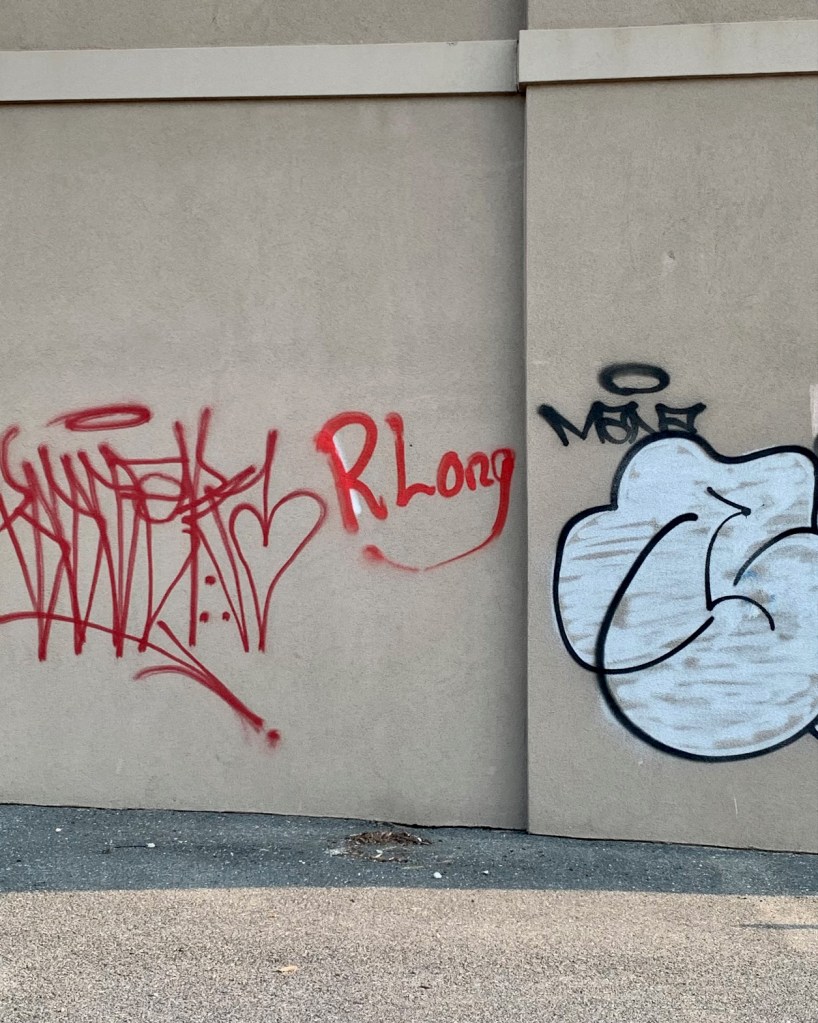
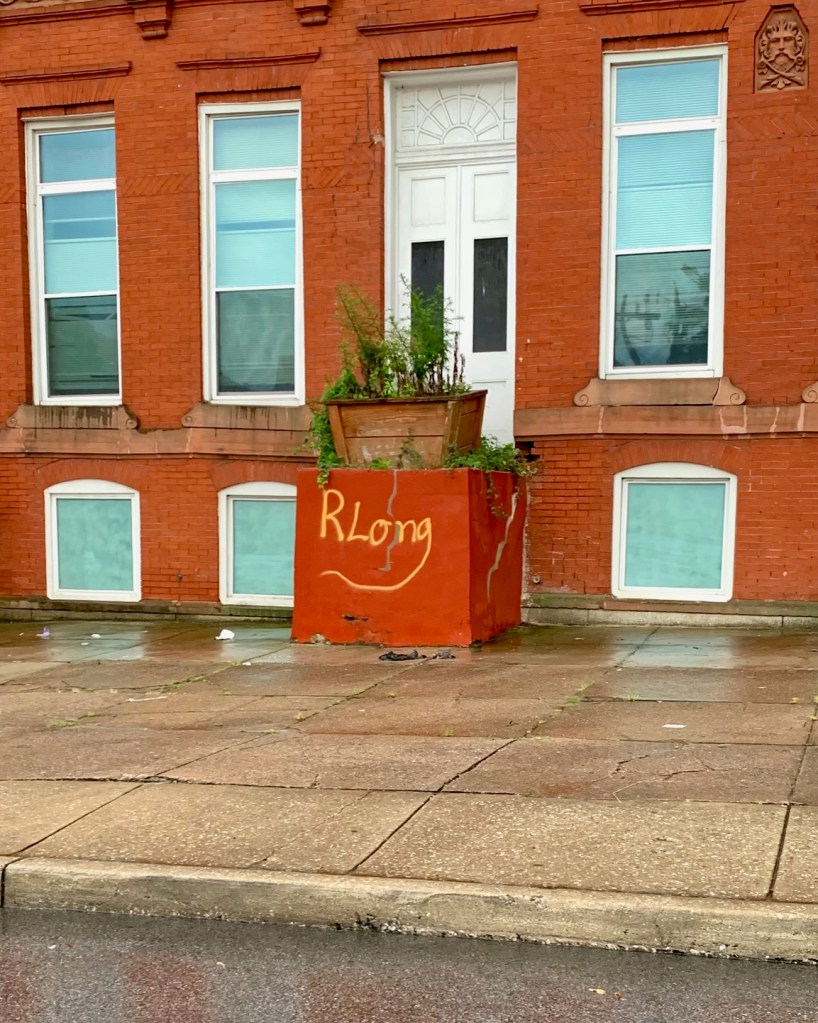
Don’t be like R. Long, here. Because it’s more like R. Lame. Severely anemic in style and completely lacking in the bold expressiveness of his/her fellow taggers (I wonder what percentage of street artists are women and also how we might “raise awareness” about them). Yes, there’s that skinny swoosh that tracks back from G to R. But, then, why not connect those two letters? Take steps, friend. Take steps. Up your game. Find your voice and declare it loudly-proudly to the world. There are few things sadder than poorly executed graffiti. And there’s a lesson in this for each of us: Don’t be R. Lame…
ADDENDUM:
It seems that our friend R. Lame may be trying to up his/her game. While we can’t be certain this isn’t an impostor to the “Talentless Mr. Graffiti,” as it’s all caps, a bit generic in font and gone is the swoosh. But perhaps we are seeing signs of evolution in this artist. Recall that Rothko and Pollock also struggled to find their signature styles. I might have to cover my short position on R. Long.

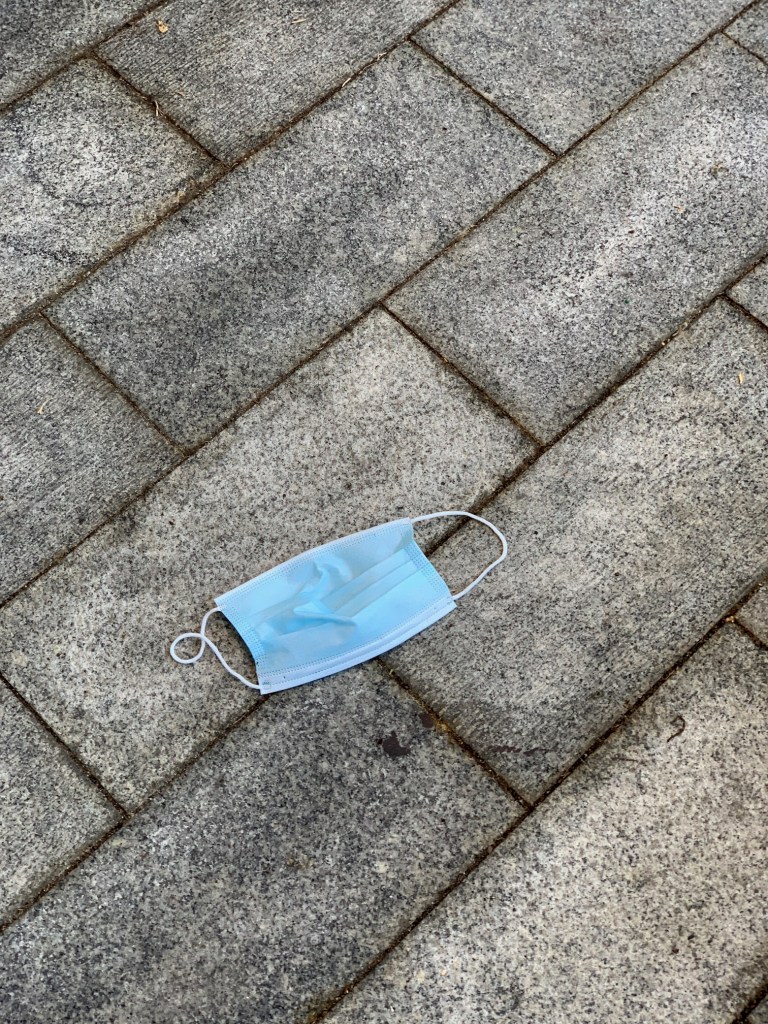
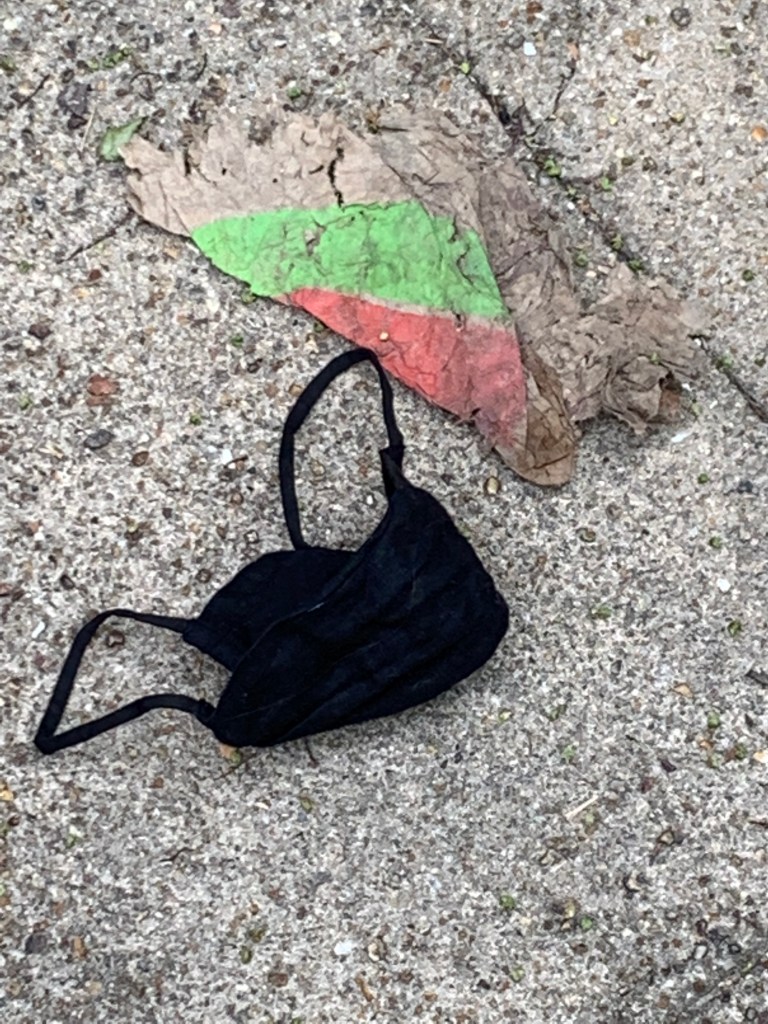
It was my habit over the early to middle COVID days to capture images of abandoned masks in their myriad shapes and colors, as well as their variation in condition and repose. It was also my habit to share some of these in group texts with friends, which was generally encouraged, or at least well tolerated. Several friends responded with excellent images of their own from different parts of the country (one of which was shared previously and more to come!), and we amassed quite a documentary collection. But there was one friend, named Betsy, who responded in the most remarkable way. She would, literally in just a few minutes, fire the image right back at me and deliciously illustrated. It was a talent I had no idea she possessed. And I very much love how people you have known for decades can still surprise you in this way. How we can fully amaze each other with unseen abilities and passions.

I genuinely feel that for many of us, it is collaboration we seek. The pursuit of some shared idea, even if not exactly by the initial design. Each person contributing to a well-executed vision, whatever the cause — basketball, music, combining words and illustration, comedy, the kitchen, a start-up company, etc. The opportunity to add to something larger than ourselves. The chance to surprise and surpass the expectations of our friends and peers, as well as our own. To be able to say proudly in the end, “we did it.” And maybe just as good or better: “we did this and failed… but it led us to this other thing that was a resounding success!”
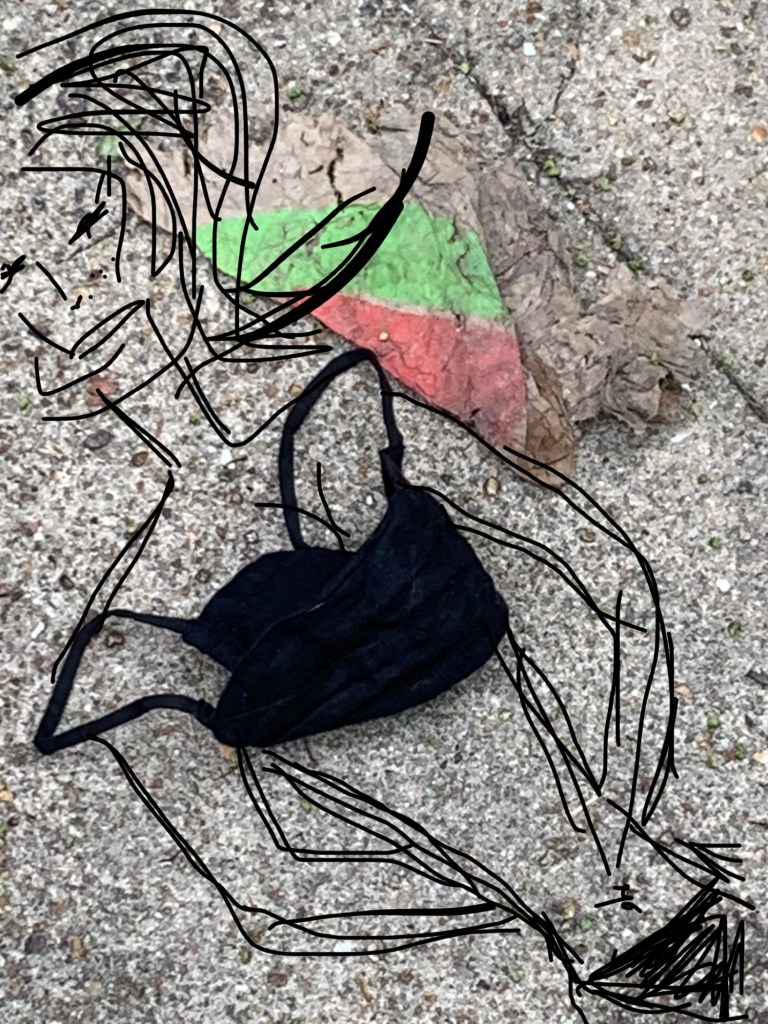
Next we might bring these characters to life with names and backstories… or drop them in medias res into a poem or a song. Maybe we can build an entire world around them. Or else not. We can always just admire them as they are and consider what unobserved possibilities we might be walking past every day. And, so, what are you working on? Perhaps someday we might collaborate!

 Great Exudations