
“Gorilla in the Shits”
Semi-random musings, poems, and visual images from the journey
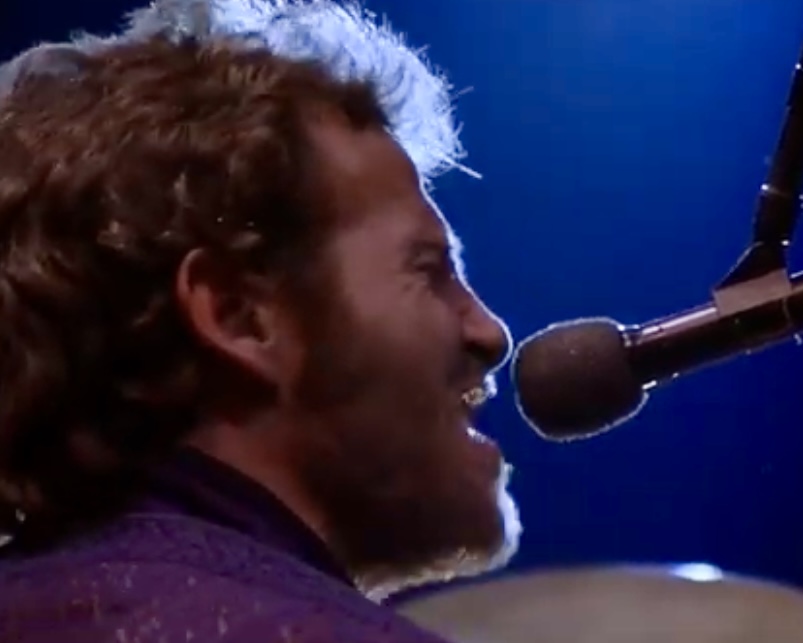
I’ve only seen “The Last Waltz” once in its entirety and that was at the Avalon Theater in Washington, DC in the early 80’s. As a teenager, I lacked the necessary broad musical context for the work and the various performers and have since seen it only in fragments. The film commemorates The Band’s final appearance on Thanksgiving Day, November 25, 1976, at the Winterland Ballroom in San Francisco. They were joined in celebration by numerous special guests including Bob Dylan, Muddy Waters, Joni Mitchell, Van Morrison, Eric Clapton, Neil Young, Neil Diamond and Dr. John and the show was filmed by Martin Scorsese who deployed seven 35mm cameras. Reared on classic rock, I knew the radio hits of The Band like “The Weight” and “The Night They Drove Old Dixie Down” and had a vague sense of their connection to Bob Dylan. It wasn’t until my 40’s, when taking night music classes in Chicago, that the picture began to fill in. In the interval I had enjoyed several of Robbie Robertson’s solo projects, including “Robbie Robertson” (1987) and “Contact from the Underworld of Redboy” (1998), an homage to aboriginal Canadian music (his mother was of Cayuga and Mohawk origin). And then the learning-ellipse cycled back round, and I was introduced to the group’s deeper cuts and nuanced history. To date, my favorite number is their rousing live version of “Ophelia,” from which I have screen-captured a few grainy YouTube stills. Levon Helm’s vocal performance is in such unity with the song that I can never listen to another version. And I love the added color of the Preservation Hall-style brass parts. But there was also a small, magical moment I noticed years ago that I have since clung onto. It’s something I find myself emulating at times and for reasons that were never entirely clear to me. At least not until I re-watched it following the recent death of Robbie Robertson. If you blink you might miss it.
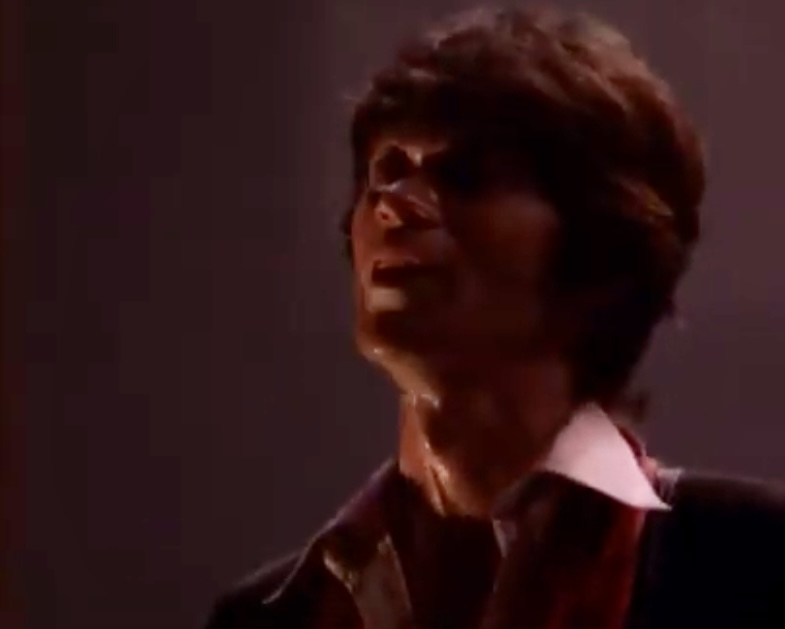

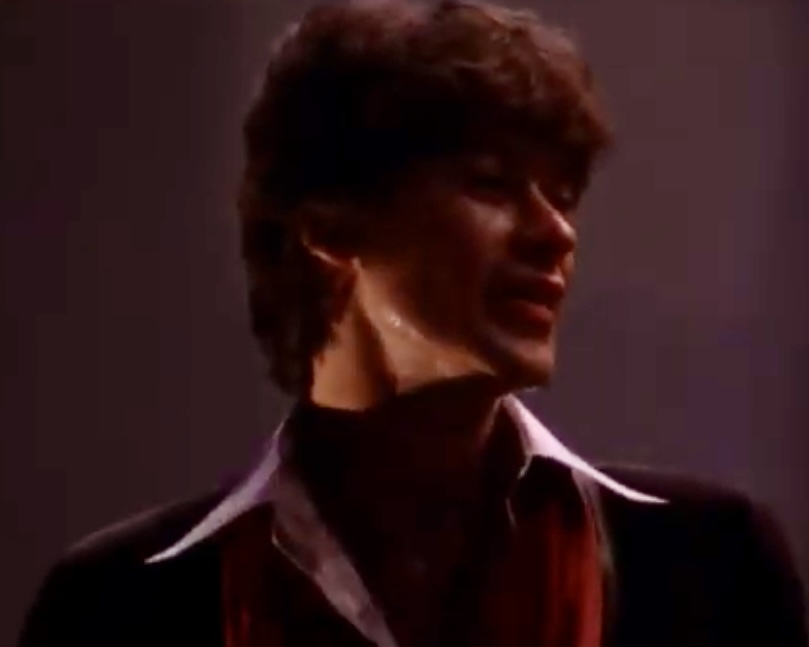
The camera switches from behind the singing Levon Helm to an oblique shot of Robbie Robertson, who stands at the stage front playing guitar and mouthing along with the vocal but out of the spotlight. There is a joyful expression in his shadowy face (above) that in these stills takes on a prayer-like quality as he glances back towards his bandmate Helm. Now, much has been said of the enmity between the two in the group’s aftermath with recriminations and charges of revisionism, most of it related to songwriting credits and drug use. But what I choose to believe is that despite this, as Robbie’s body language for me reveals, there was an enduring and strong brotherly connection. And, after all, who can go harder at one another than two close brothers?
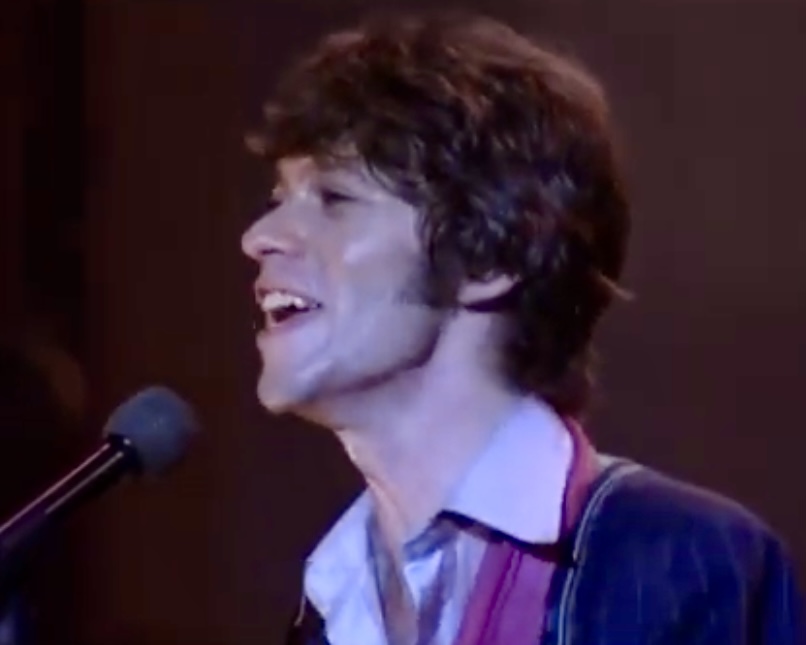
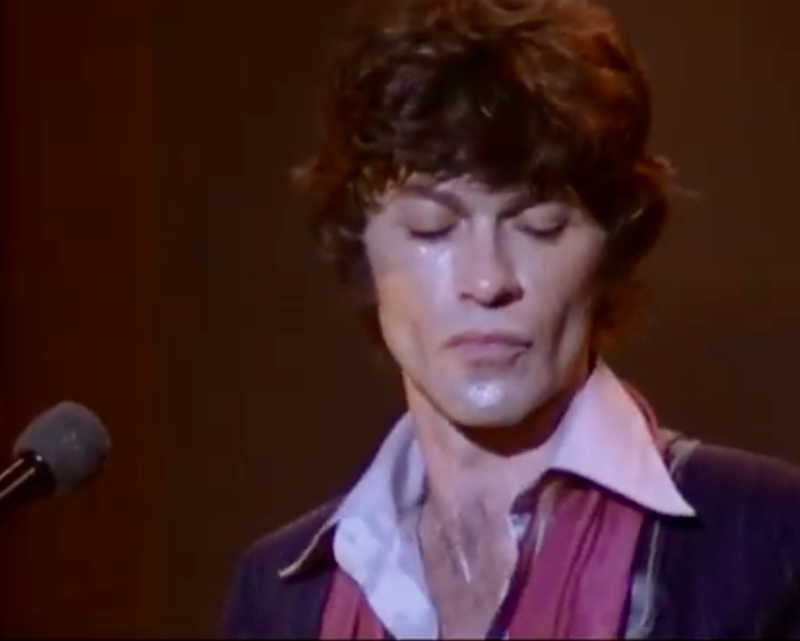

So then the spotlight hits Robertson who joins in on the refrain “Ophelia, where have you gone…” before laying down a little guitar fill and giving another, more deliberate look-back at Helm. Of course, eye contact is something band members do frequently to stay in rhythm or to signal a new song section. And this was, let’s not forget, a concert being purposefully filmed. But I don’t think you can fake that kind of energy and the spontaneous search for connection. It seems far too real and he looks nearly ecstatic during this segment. I think it says something about the connectivity of music generally (think of the joy dancing and singing next to complete strangers at a concert), and even more so the playing of music with others in a band (for a waltz you need but two dancers and a band). For my own part, I happened to be working from home a few weeks back and was doing some dishes after breakfast. There was no music playing, but household chores have their own rhythm and I found myself doing the body-turn-glance-back like RR to the cabinets behind me (the move is a little stiff because it simulates one with a guitar on your back). As I noted above, it’s a quirky motor-tic I employ from time to time, one which I might have assumed was in homage as much to the song as the man. But then later that afternoon, the story of RR’s passing appeared in my aggregator. I immediately got that little pang that attends these strange moments. Let’s call them spiritual convergences, as I’m no great believer. I texted a few friends about it, and then I re-watched the video to finally see what I had been missing: a momentary embodiment of the friendship that is music and the music that is friendship. Alas. And let this also be a celebration of the infinite number of potential tiny and seemingly insignificant moments (nano-takes) in our lives that, once noticed, can enrich and enliven and maybe even create new meaning for us as we combat life’s inevitable drudgeries. For this, I give thanks. And, if you’ll indulge me, I tried to express these feelings in a short poem:
“Let’s Look Up”
If you’re looking up at me
And yet don’t meet my eye
Just know that I’d been looking, too,
But had to turn in time.
In time, on time for one last climb,
Each playing his own way,
When bendings blend in proud display of
A song that longs to stay.
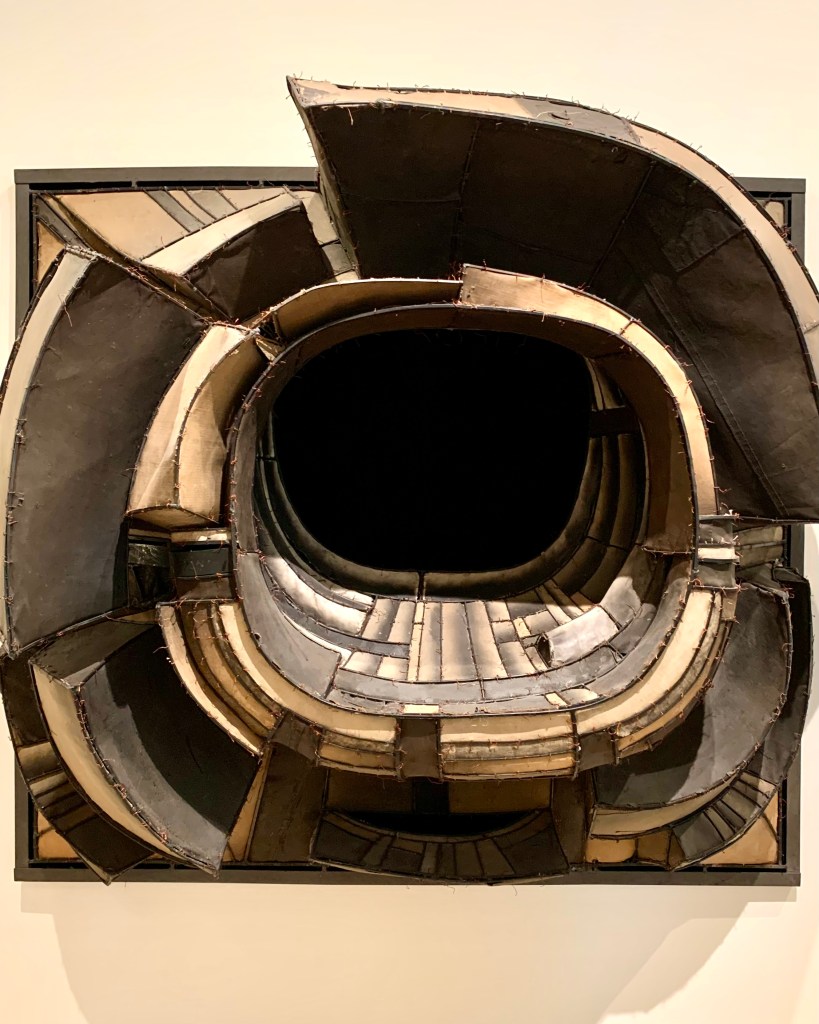
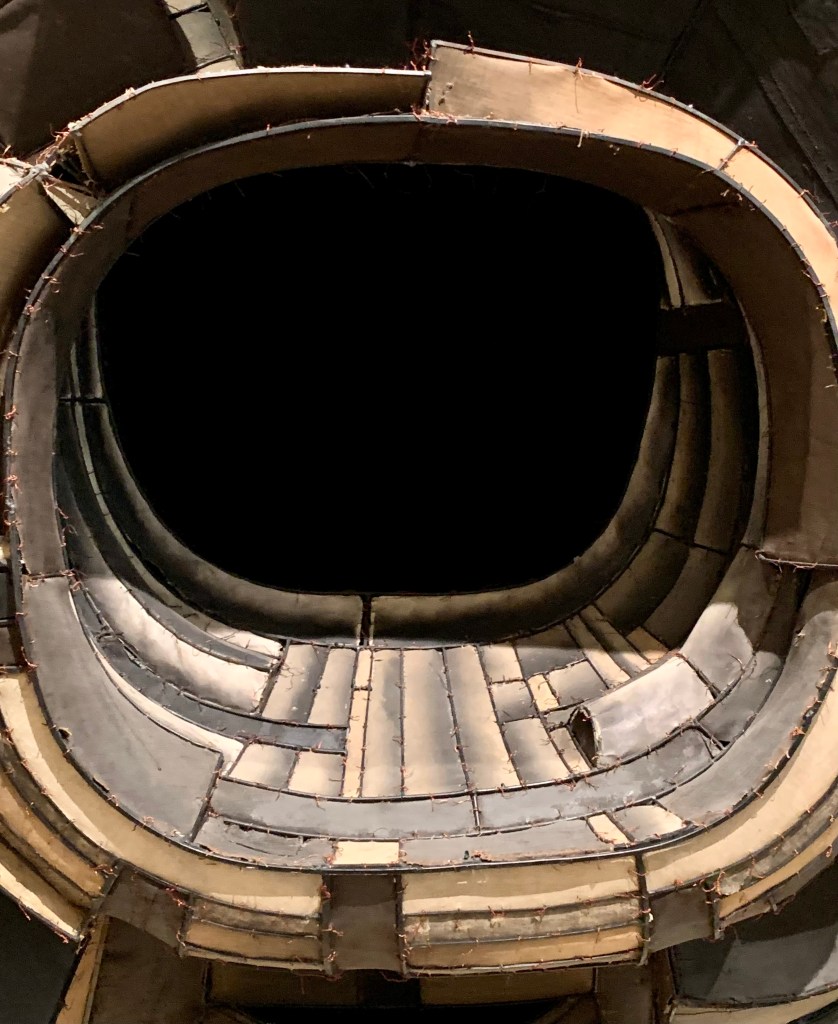


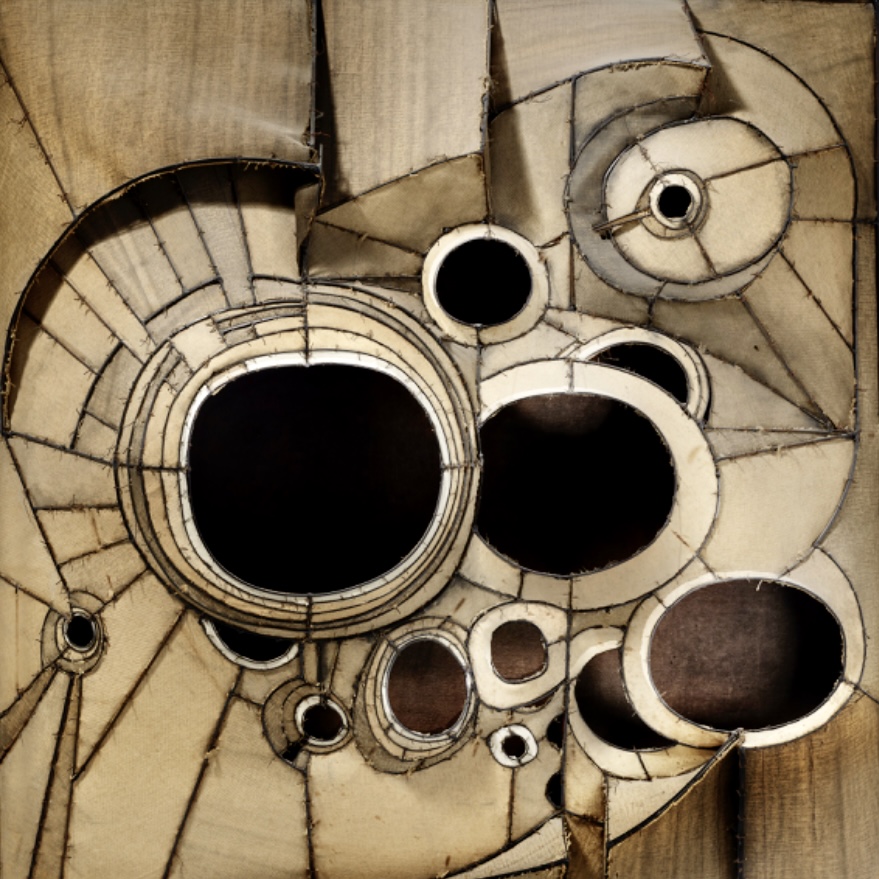
There is something irrepressible about Lee Bontecou’s sculptures in their brutal physicality and heavy 3-dimensionality. For me, they create a simultaneous suction/repulsion, sort of like the air uptakes and exhaust of a jet engine. But for a good while they held just a passing curiosity. It was only after several encounters that I even bothered with the name on the placard and later still that I learned the artist was a woman. But why should this even matter? Well, if my news aggregator is any bellwether, female artists are only recently getting a fraction of their deserved recognition in the art world. This, of course, mirrors slights in other industries. Rosalind Franklin was denied credit for her contributions to the discovery of the DNA double-helix. The film “Hidden Figures” (2017) tells, belatedly, the story of three brilliant African-American women — Mary Jackson, Dorothy Vaughan and Katherine Johnson — who were instrumental in advancing NASA’s early space program. Some women achieved a certain level of acclaim by elbowing into a man’s world, though were not generally household names. Filmmaker Agnes Varda was pioneering in the 50’s and 60’s French New Wave movement, taking a unique perspective on the lives of women, and helping to pave the way for the break-out work of Kathryn Bigelow, Sofia Coppola and Greta Gerwig. And while there are countless successful female authors, the fine arts realm has been particularly withholding in this regard and the major museums and galleries remain largely boys’ clubs. Pause and reflect on your last few art visits and consider how many rooms you passed before encountering a work by Mary Cassatt, Berthe Morisot, Meret Oppenheim, Helen Frankenthaler, Agnes Martin, Martha Rosler, Lee Krasner, Barbara Hepworth or those giant, haunting arachnids of Louise Bourgeois (whereas you “can’t swing a dead cat” without hitting a Calder). Georgia O’Keeffe seems the exception that proves this rule. And, yes, Yayoi Kusama is finally having a moment after toiling in relative obscurity for decades (Louis Vuitton took notice!). In 2021, I saw a really cool exhibit of the fantastic multimedia artist Laurie Anderson at the Hirshhorn Museum in Washington, DC. Other than a Cindy Sherman exhibition at MoMA and the ubiquitous O’Keeffe, there are few others that I recall featuring singular female artists. Perhaps a sea change is upon us. That’s good news for all.
And what about Lee Bontecou (1931-2022)? Well, here’s what I’ve learned from Wikipedia and her New York Times obituary. She was a highly regarded American sculptor who came to public prominence in the 60’s at the famous Leo Castelli Gallery in NYC alongside mostly male artists like Cy Twombly, Frank Stella and Robert Rauschenberg. Inspired by the Abstract Expressionism of her contemporaries, she carved out a signature style of large wall-mounted constructs using industrial materials like conveyor belts, canvas mail bags and pieces of scrap metal. And these abstract constructions were prone, as most abstractions, to broad speculation and projection. Second-wave feminists interpreted the dark cavities as being vaginal and womb-like in their allusion, a concept she flatly negated. Instead, she referenced the influence of Sputnik’s launch in 1959 and the mysteries of outer space as a contact point. For her, art was neither male nor female; it was just art. In her studio, she listened to short-wave radio broadcasts and became incensed by the many reminders of man-made atrocities — the chatter about building bomb shelters, the news of civil wars in Africa, the looming collective memory of the Holocaust — and in that reflection, new implements began to appear in her works formed from gas masks, saw blades and helmets. A brutalist take on man’s own brutality. She chose rivets over ribbons, you might say. It makes for sturdier stuff.

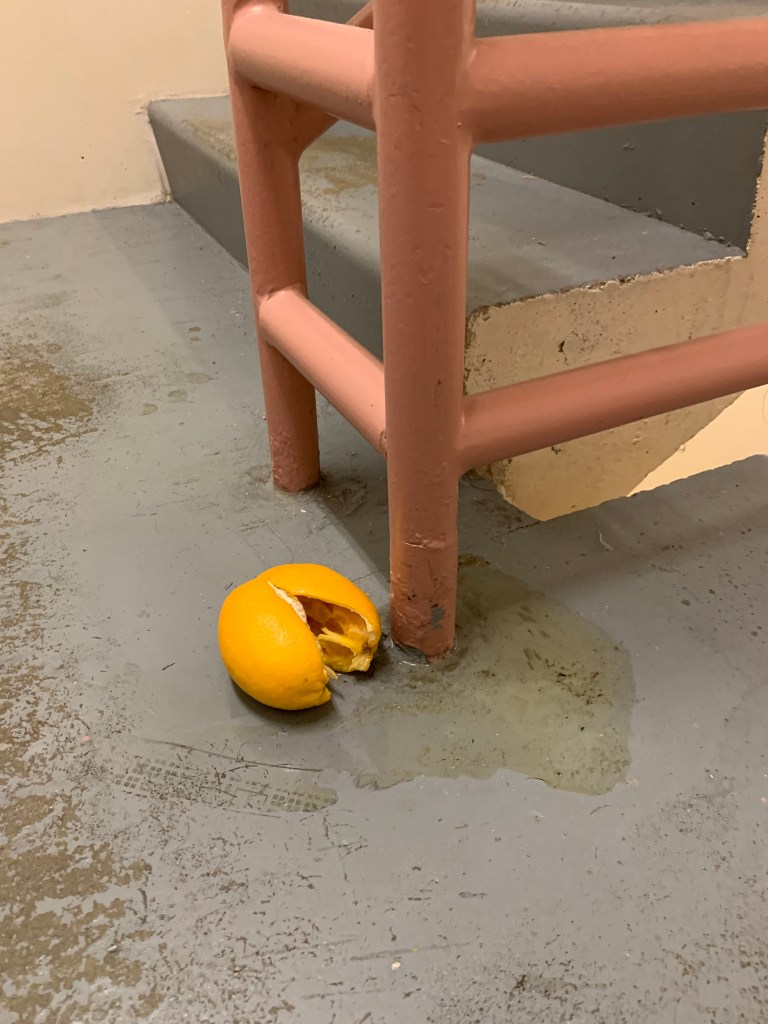

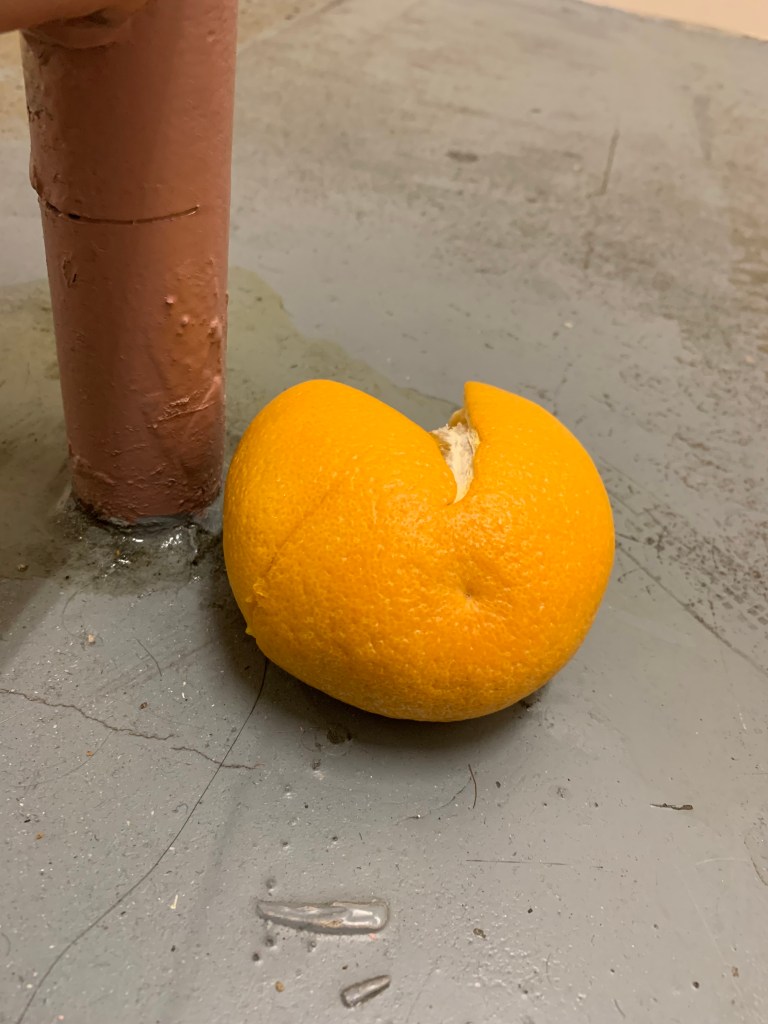
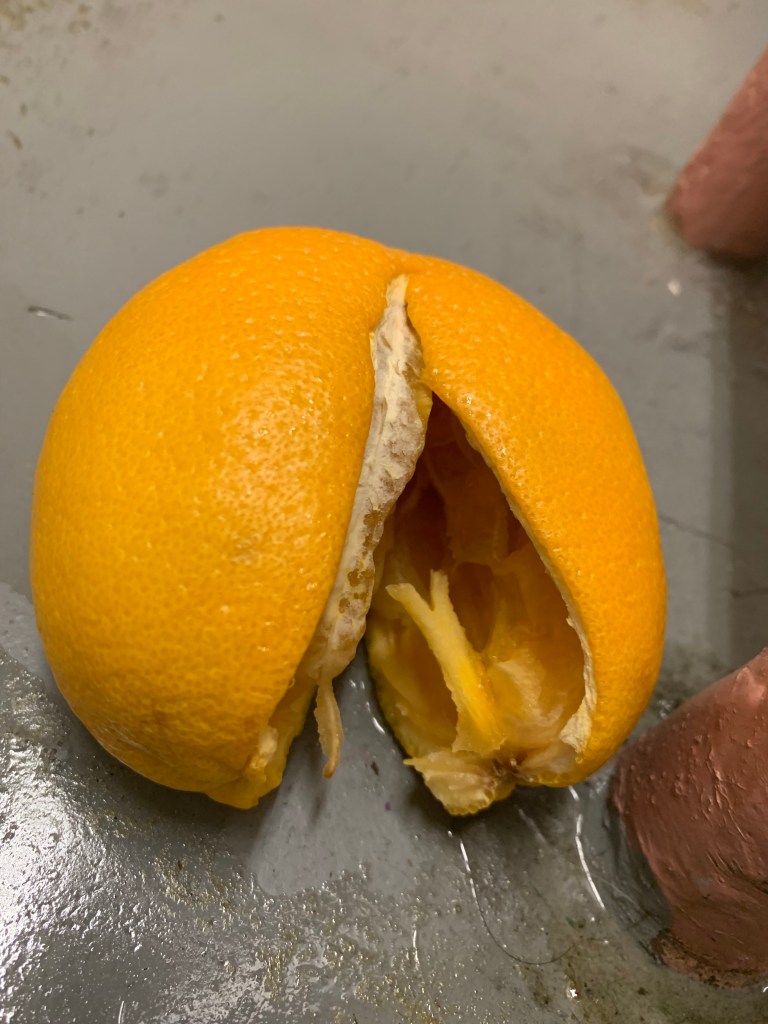

“The Sticky Stairwell”
Detective Schweem: “Your OJ is served, captain.”
Captain Koch: “Right.”
Detective Schweem: “It looks like they finally caught up with old Mr. Orange…. did you ever see Reservoir Dogs? Was Tarantino’s break-out…
Captain Koch: “Never saw it.”
Detective Schweem: “Well, these gangsters form up for a diamond heist and use these aliases like Mr. White, Mr. Blue, Mr. Pink and Mr. Orange. That’s so they can’t rat each other out. But it don’t go down as planned. I think Mr. Orange, like our guy here, was played by Steve Buscemi, and he…”
Captain Koch: “Like I said…”
Detective Schweem: “Yeah, okay. So maybe I should go canvas for any possible witnesses. See if anyone seen anything.”
Captain Koch: “You do that…..” (mutters to self: “Steve Buscemi actually was Mr. Pink and Tim Roth played Mr. Orange… and my work is never friggin’ done.”)
Detective Schweem: “You say something, Cap?”
Captain Koch: “Naaah…”


ADDENDUM:
It’s easy in life to get to focused on a thing. We drill down on minute details and forget to pan out for the bigger picture and broader context. For example, I’ve walked past this juicy crime scene numerous times since August and yet never picked up on a major clue…
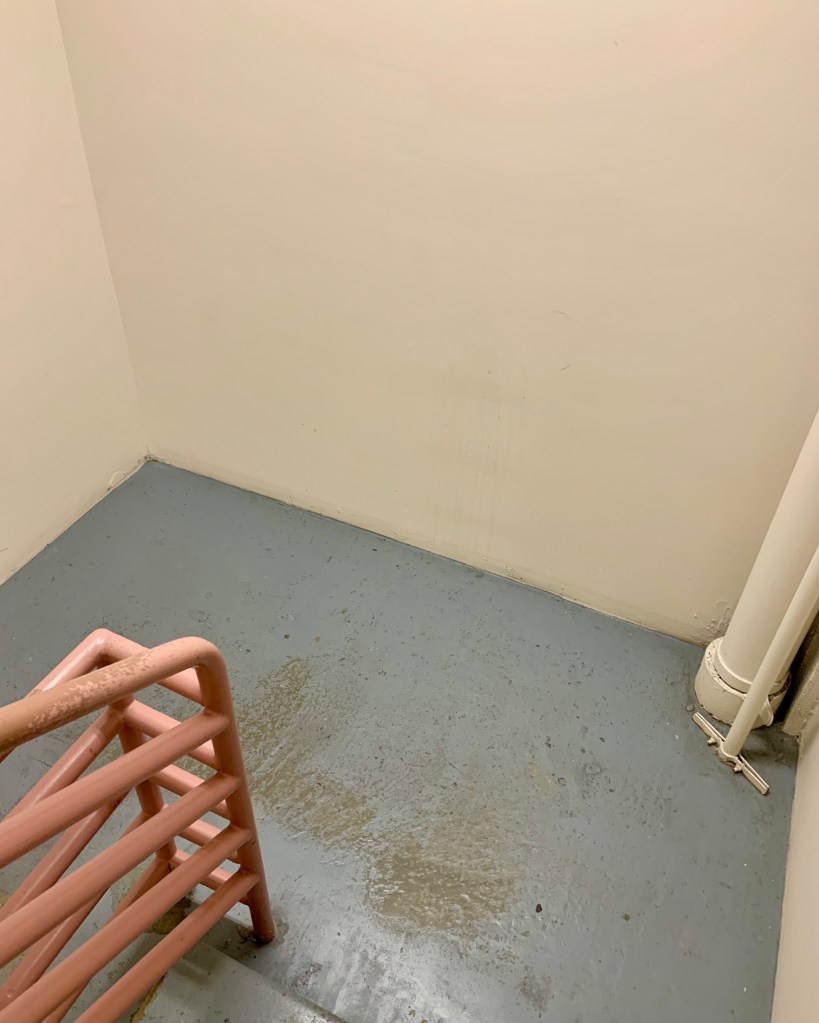
Looking down the stairwell it doesn’t exactly jump out as a blood stain would, I grant you. But a skilled detective would study all the nearby surfaces for signs of impact or traces of residue.

The reverse angle shows the telltale sign of an orange thrown at the wall with force. The drippings leave an outline like the tentacles of a jellyfish standing watch over the ill-fated scene.
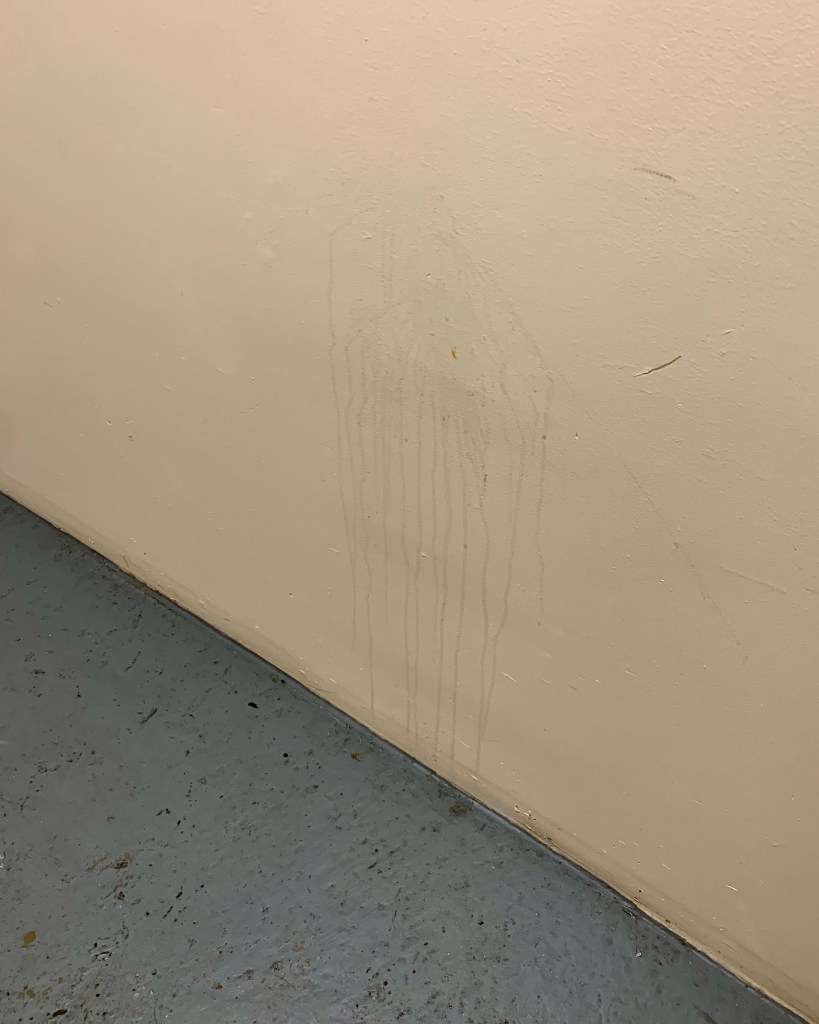
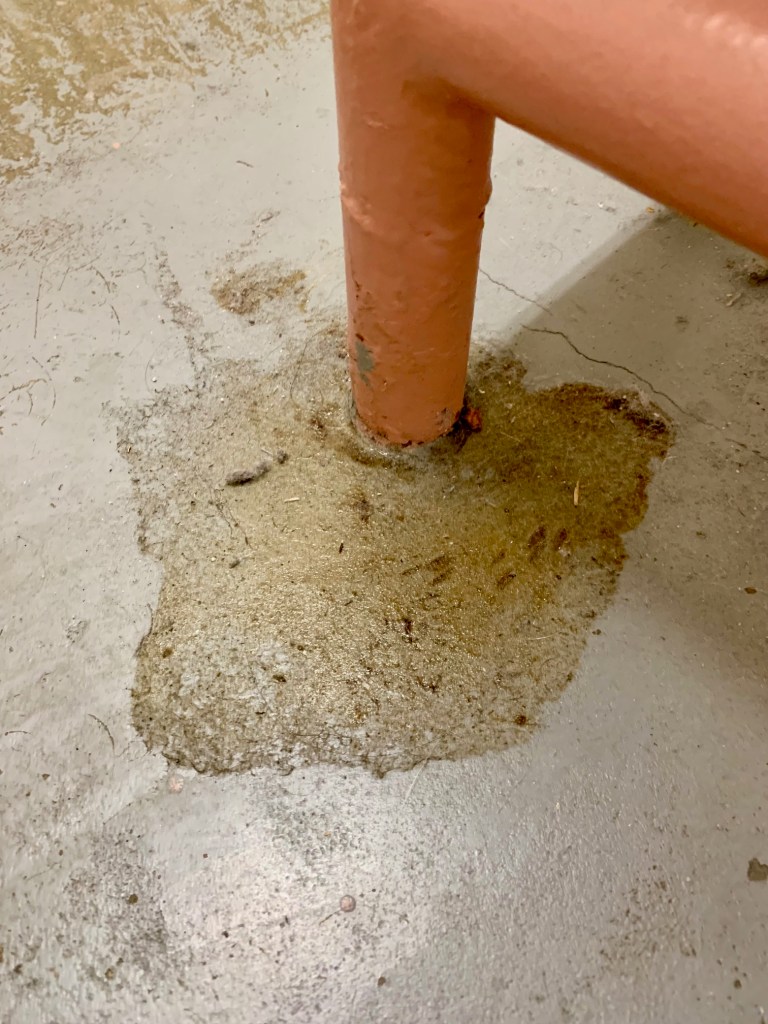
A closer image with greater contrast shows to better advantage the juice trails and stuck orange fragments indicating a high velocity impact. The perpetrator must have been highly agitated. This feels like a fruit-crime of passion. The police still have no suspects.

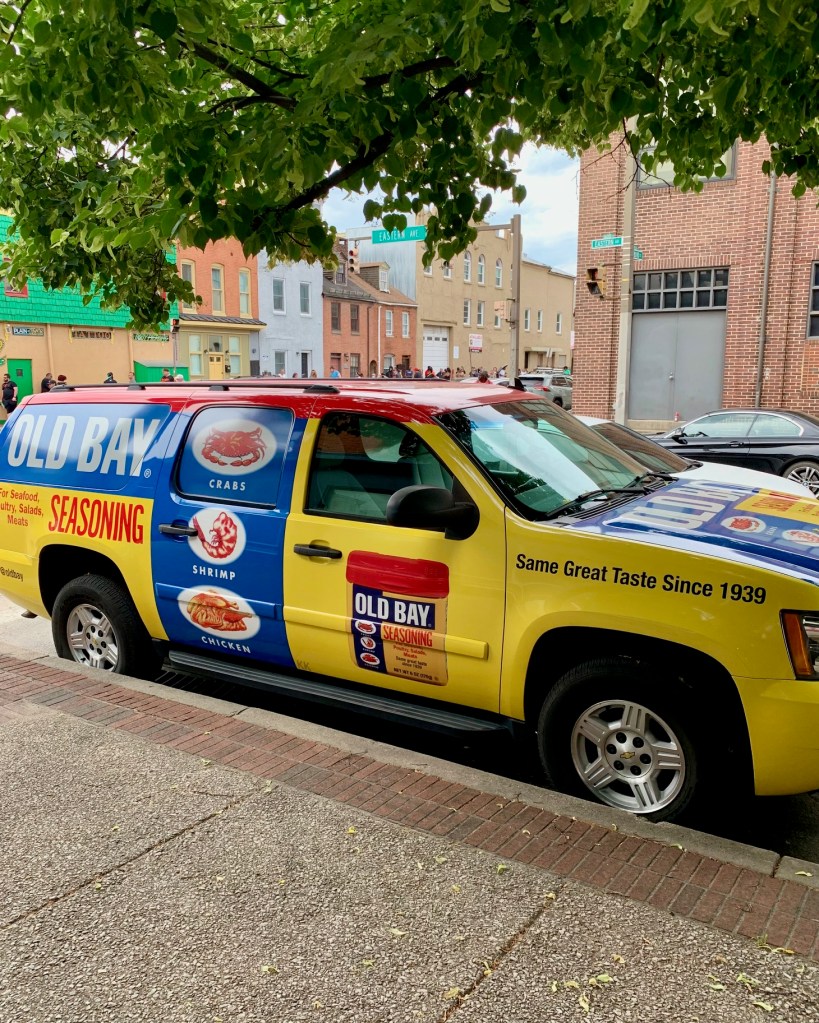

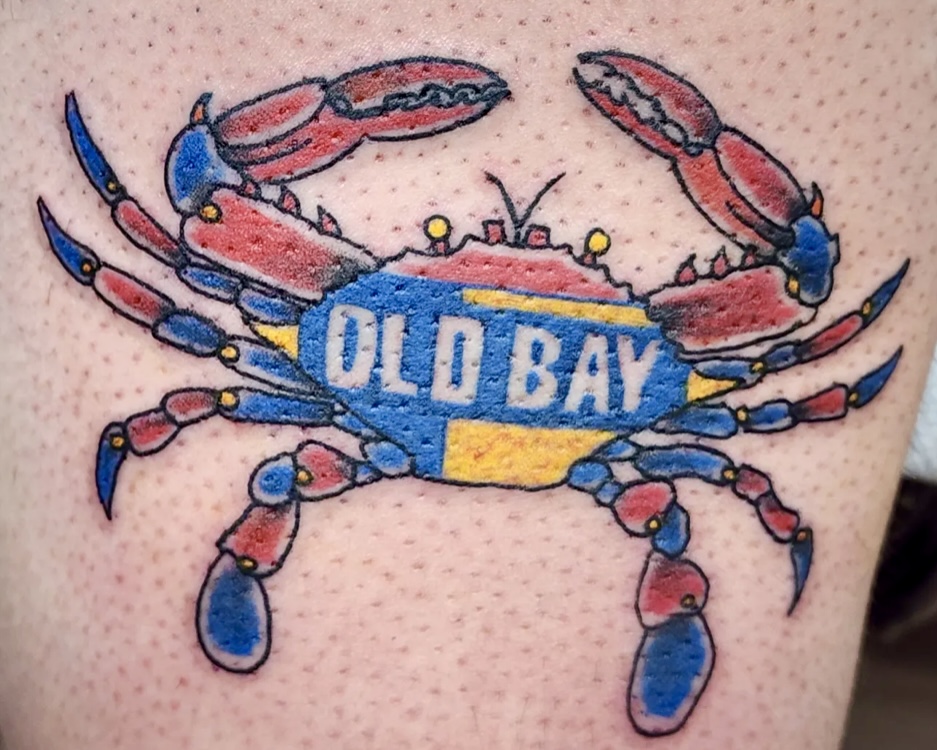
OLD BAY seasoning can be found on many things beyond seafood these days (including automobiles). They now market it in a hot sauce and you’ll find it sold on snacks like Goldfish, potato chips, peanuts, and popcorn. There’s even an OLD BAY flavored vodka (perfect for fraternity hazing although you won’t taste it if you go the rectal route)! It seems the nature of most successful product lines is to diversify ad absurdum. There is a dizzying variety of Gatorade, for example, and it’s not unusual to find them all shelved in abundance except the original lemon-lime that I seek. And with that in mind, I conjured up some new marketing ideas for the folks down at OLD BAY (originally the Baltimore Spice Co. but later bought by McCormick):
OLD BAY Gum (masks the smell of pot and booze for the teen market)
OLD BAY Bottled Water
OLD BAY Ice Cream (Marcus Samuelsson could probably make that work!)
OLD BAY Margarita Mix
OLD BAY Trump-Steaks (made with the Russian knock-off brand AULD VAY)
OLD BAY Shampoo
OLD BAY Hemorrhoidal Cream (with that pleasant tingle!)
OLD BAY Maxi Pads (okay, maybe not that….)
But I think I missed my calling. I can picture myself a niche player in the marketing and advertising world. Sort of as a cross between “Mad Men” and MAD Magazine… products so crazy they just might work! Man, I got ideas…. so many ideas… and so little time.


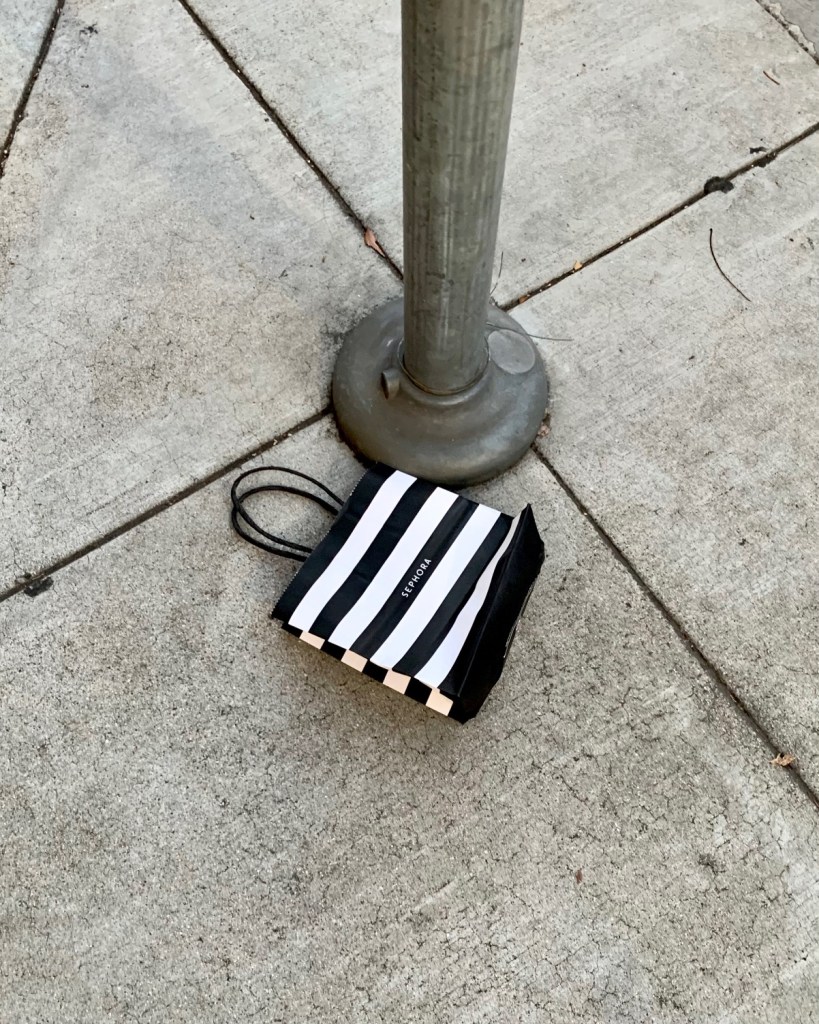
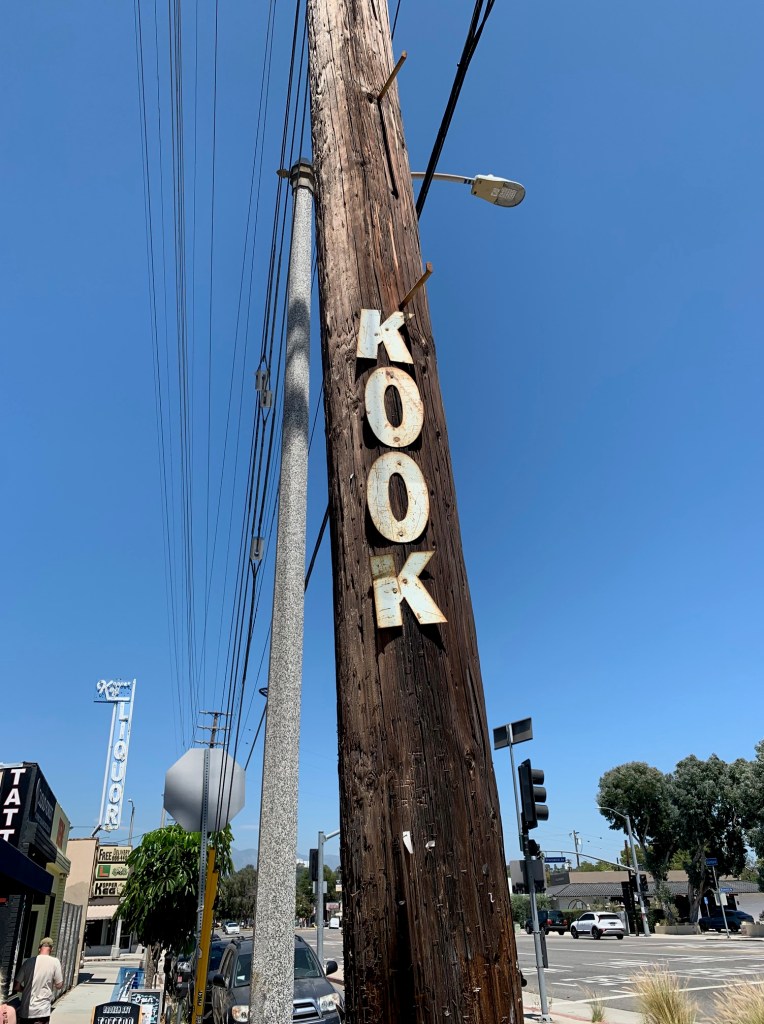
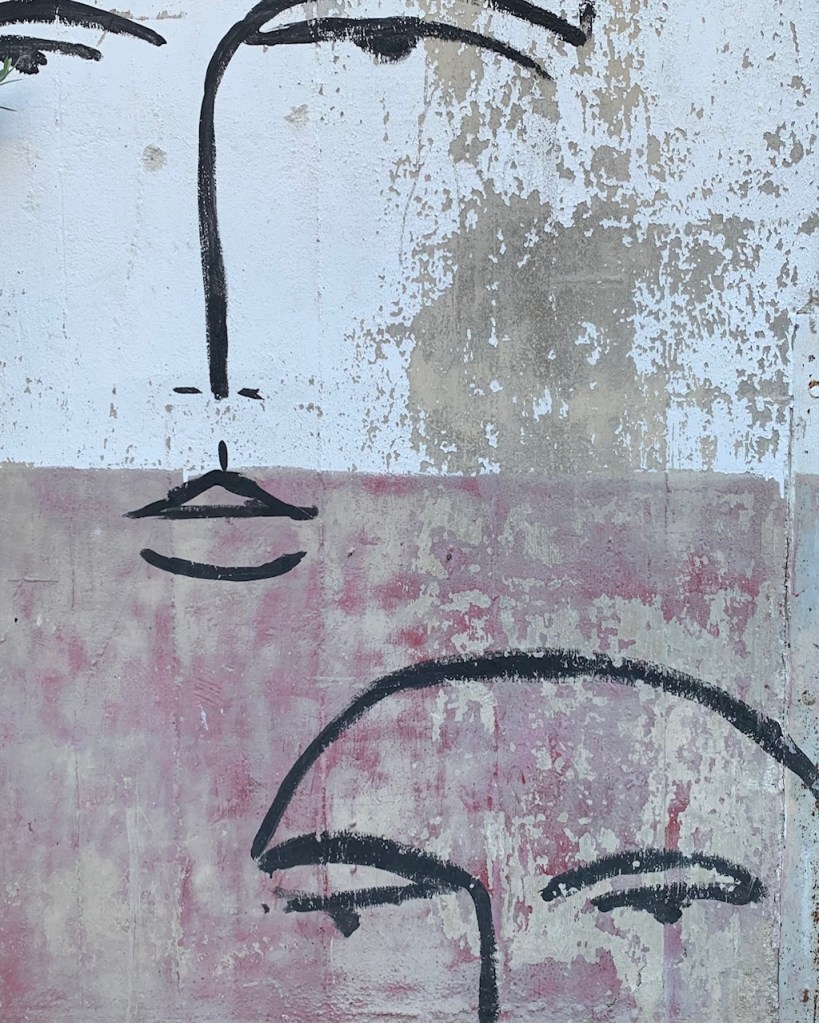
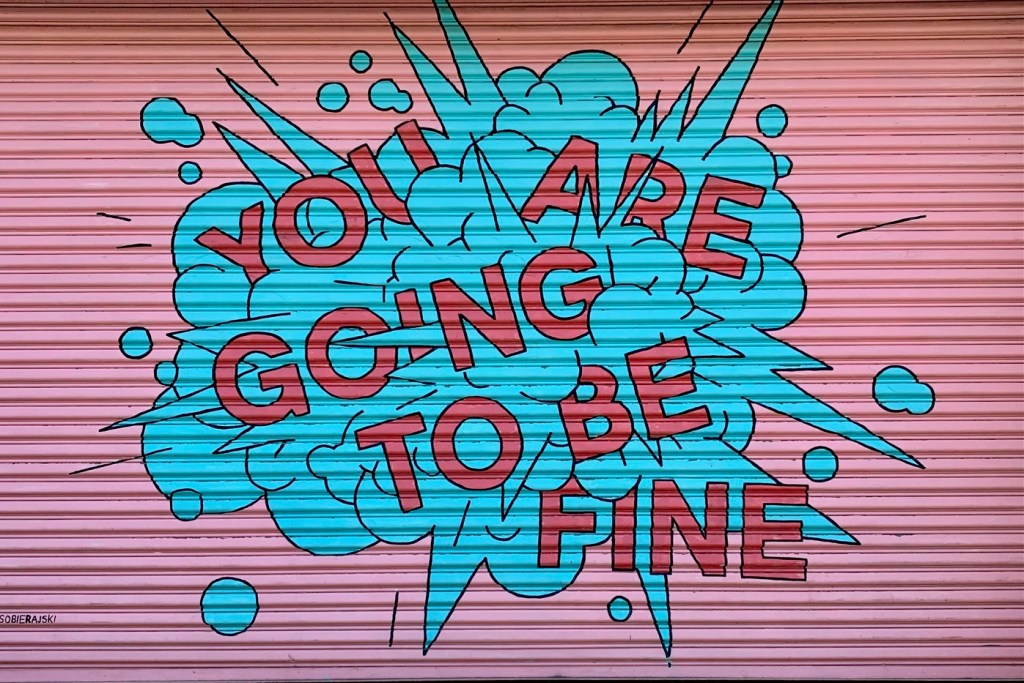

“L.A. Forever“
L.A… I don’t hate you
But I really like that
I don’t love you.
And, L.A… I’m glad I saw you
But mostly ‘cuz I’ll never
Have to see you again.



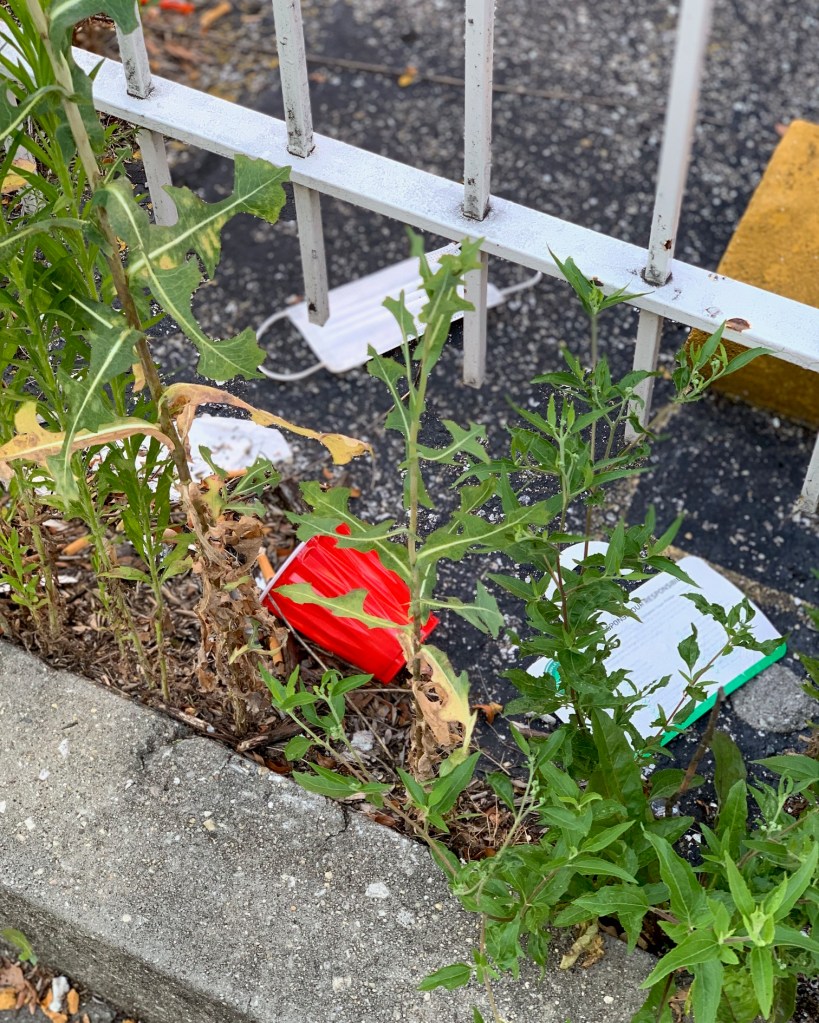
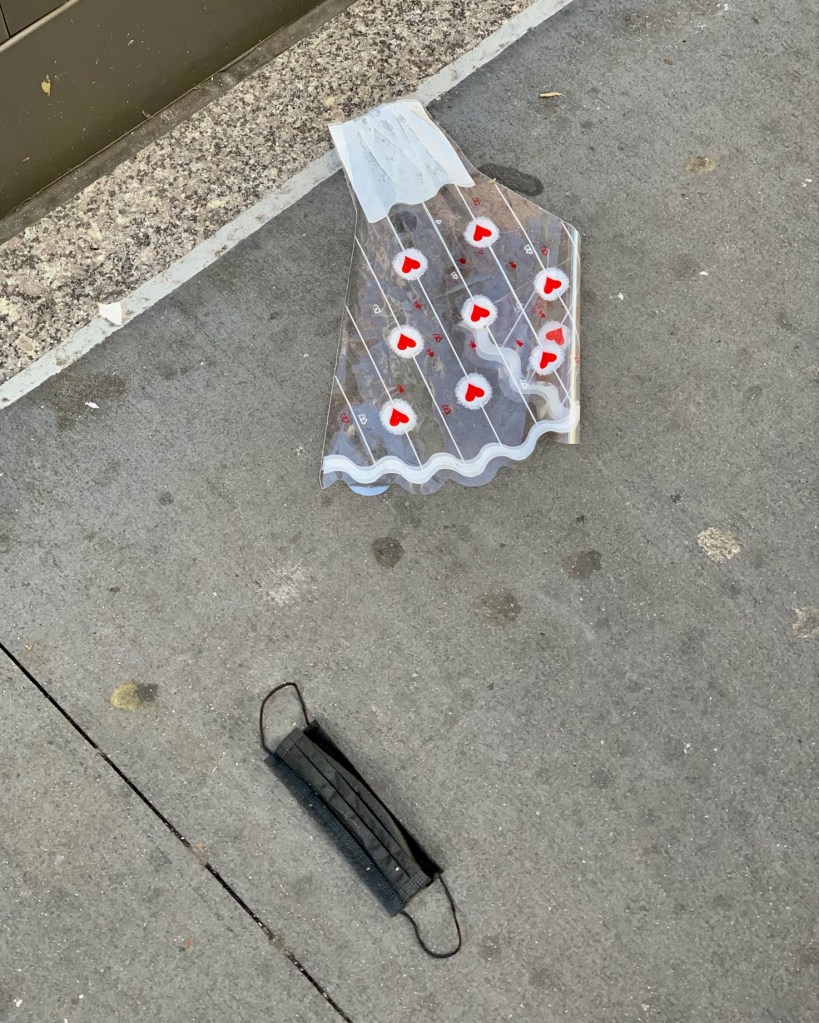

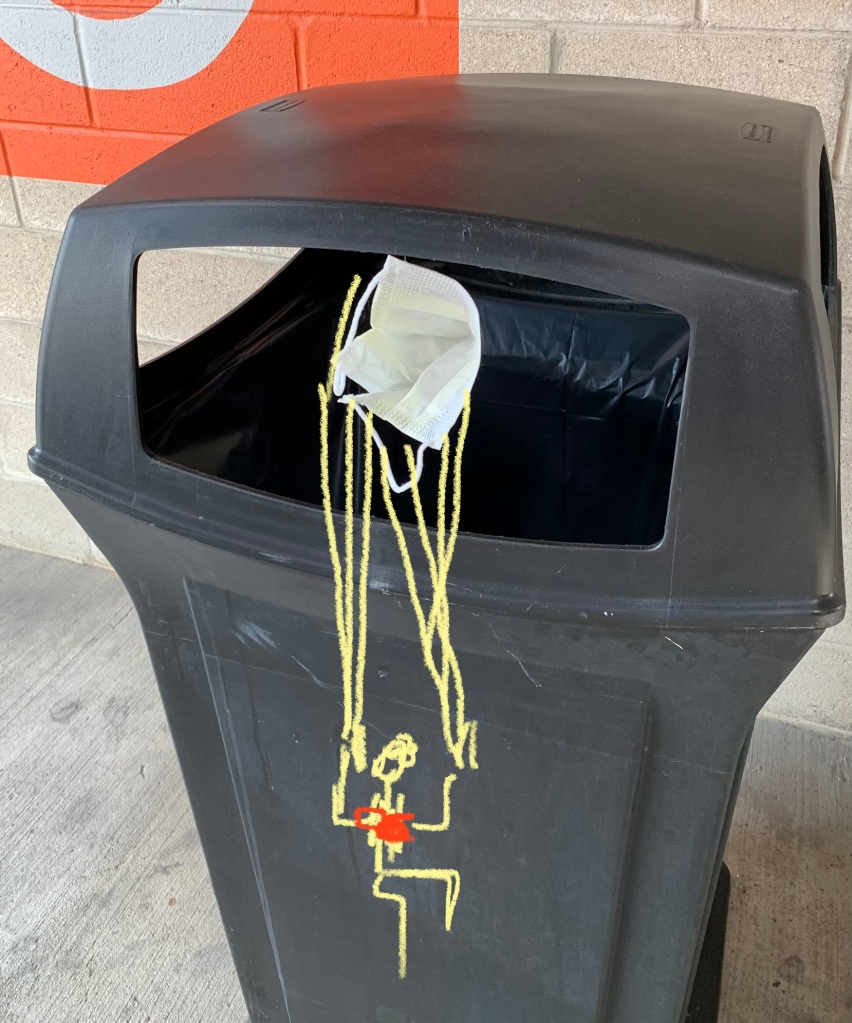
“TRASH MASK“
As one man’s trash is another man’s treasure,
One hand’s mask is another hand’s mirror.
 Great Exudations