“The Gate Crashers”
Semi-random musings, poems, and visual images from the journey




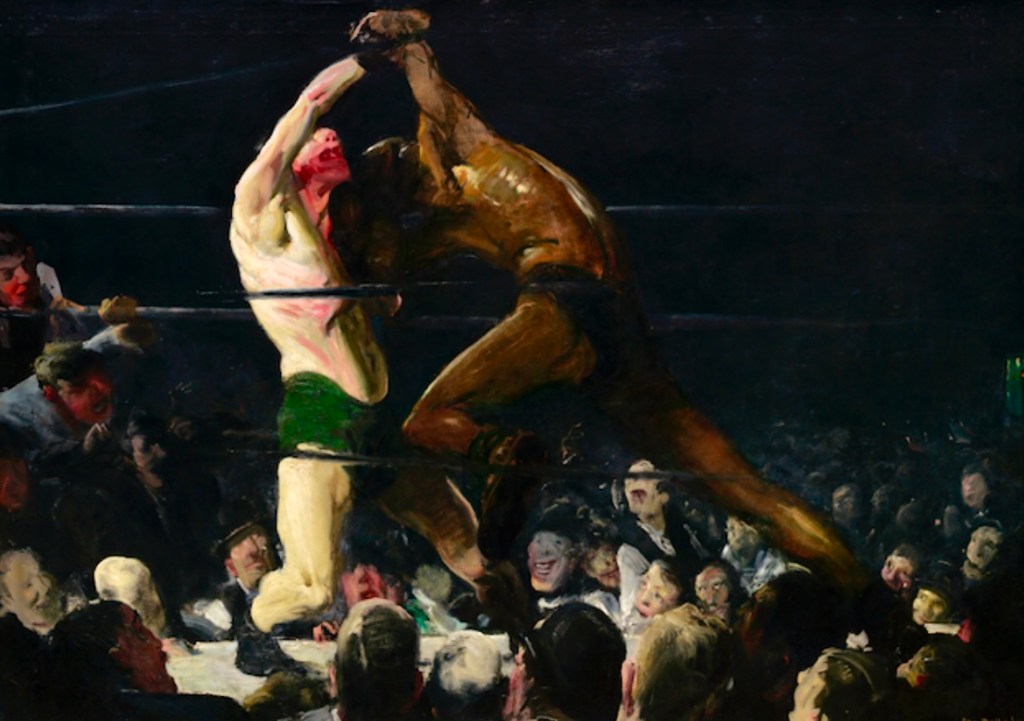
Oddly enough, my grandmother, herself a docent at the National Portrait Gallery, much enjoyed the gritty works of George Bellows. Reserved and genteel by nature, she didn’t shy from controversial or grotesque art. Maybe it was the novel combination of a crudely impressionistic technique and harshly realistic urban scenes. Palpably raw but also smart. Frozen yet in action. Shocking and somehow beautiful. Apparently Bellows would frequent Sharkey’s Athletic Club, which was a saloon with a boxing ring at the back. Public fights were illegal in NYC at the time but clubs like this were a loophole. In this work, a brutal contest is given motion by his dynamic composition, with most of the attention focused on the blood-smeared combatants. And one cannot miss the racial overtones. It was the following year (July 4, 1910) that Jack Johnson famously defeated Jim Jeffries in the 15th round of the “Battle of the Century” in Reno, Nevada. It was a heavyweight championship bout that was fully promoted as an epic showdown between the two races. Johnson’s victory dashed dreams of a “great white hope” and triggered race riots in 50 cities that left at least 20 dead. There’s a lot going on in this painting and Mimi knew it!
After seeing the piece several times, I finally homed in on what was surely another theme of Bellows’ work. The crowd. A mob’s mentality. He conveys the frenzied spectators in various states of excitement from the morose to the ecstatic. We see ghoulish mask-like facies, cigar-smoking fat cats, crazed red-mugged punters, mouths in open scream (see Francis Bacon), and others in cadaveric repose. A real rogues’ gallery. A bettor’s noir, this abattoir. Great fun had by all! And this dodgy crowd scene somehow reminded me of the opening line of Al Stewart‘s song “Year of the Cat” (since all roads here lead to the 70’s):
“On a morning from a Bogart movie
In a country where they turn back time
You go strolling through the crowd like Peter Lorre
Contemplating a crime“
All this to say, don’t forget to search the background/corners of paintings for rich but hidden details. Sometimes it’s where the real action lives.

But what was his meaning? What’s this say about us? That maybe we’re enjoying the carnage too much (looks like a damn Trump rally)…
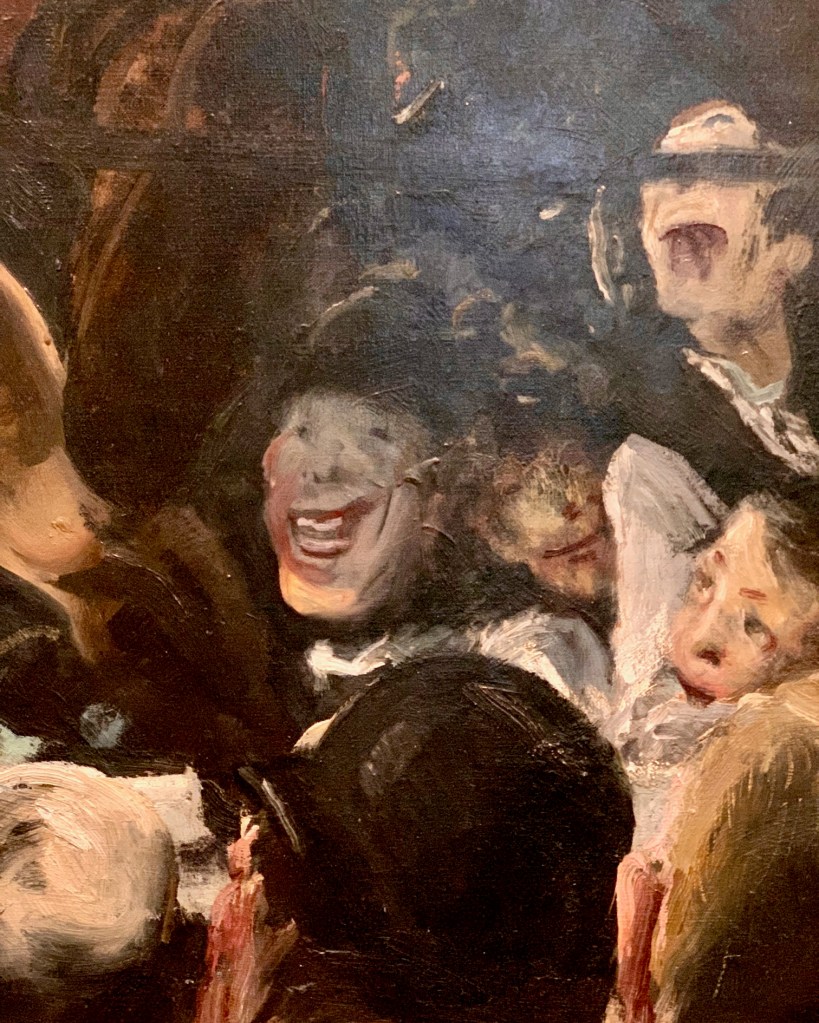
Each man has his story. Each has his own reasons. But when will the fresh blood go out of season?

They say, “Don’t hate the player, just hate the game.” Game says it’s people who pay that should bear the blame.

The window features are certainly evocative of some sort of flag. And it turns out that many African flags use the trio of red, yellow and green. According to the pocket guide Complete Flags of the World (DK Publishing), “Pan-Africanism is the concept that African countries should embrace their mutual bond as Africans. Red, yellow, green and black are colors commonly used to represent Pan-Africanism.” The colors carry with them certain cultural meanings, as follows:
RED: the blood uniting all people of black African ancestry
YELLOW: a reference to the sun; the presence of precious resources, particularly gold
GREEN: the abundant flora and natural wealth of Africa
BLACK: a symbol of the African race
Many West African flags employ this color grouping, including Mali, Senegal, Guinea-Bissau, Guinea, Burkina Faso, Ghana, Togo* (with a white star), Benin, Cameroon, Sao Tome and Principe, Congo, Zimbabwe* (white surrounds the Zimbabwe bird), Ethiopia* (blue star overlies), and Mozambique* (with white lines). But the one that most closely resembles our specimen is the flag of Congo with its diagonal fields of green, yellow and red (red/green inversion noted). That country is not to be confused with its eastern neighbor Democratic Republic of Congo, formerly Zaire, where George Foreman fought Muhammad Ali in 1974’s “Rumble in the Jungle” (Ali won in an 8th round knockout after debuting his rope-a-dope tactic). It should be noted that the majority of African flags do not employ that color scheme while some non-African countries do, such as Lithuania, Bolivia, and Myanmar* (with a white star). And if I solve the mystery of this curious building, you will be the first to know!

ADDENDUM:
The case has been SOLVED!! It took the brilliant detective work of my old friend JS who did a reverse Google search on the image (I had done a failed search on BING, not knowing Google had that feature, but of course they do!). The place, it turns out, is an inking parlour called Waverly Tattoo. Perhaps they will adorn your skin with your favorite world flag. Or you might go trendy with the banner of Wrexham AFC. Maybe you’ll collect all 54 of the official African countries (per the United Nations), if your back is big enough. Still not sure about the color scheme and painted windows. A phone call inquiry is in order. Watch this space…






“Stay close to me…”

“Don’t let me be alone…”

“It’s tearing apart…”

“My blue heart…”

“Red, red twine, you make me feel so fine
You keep me from coughin’ all of the time
Red, red twine, you make me feel so grand
I feel a million dollar when you’re just in my hand.”
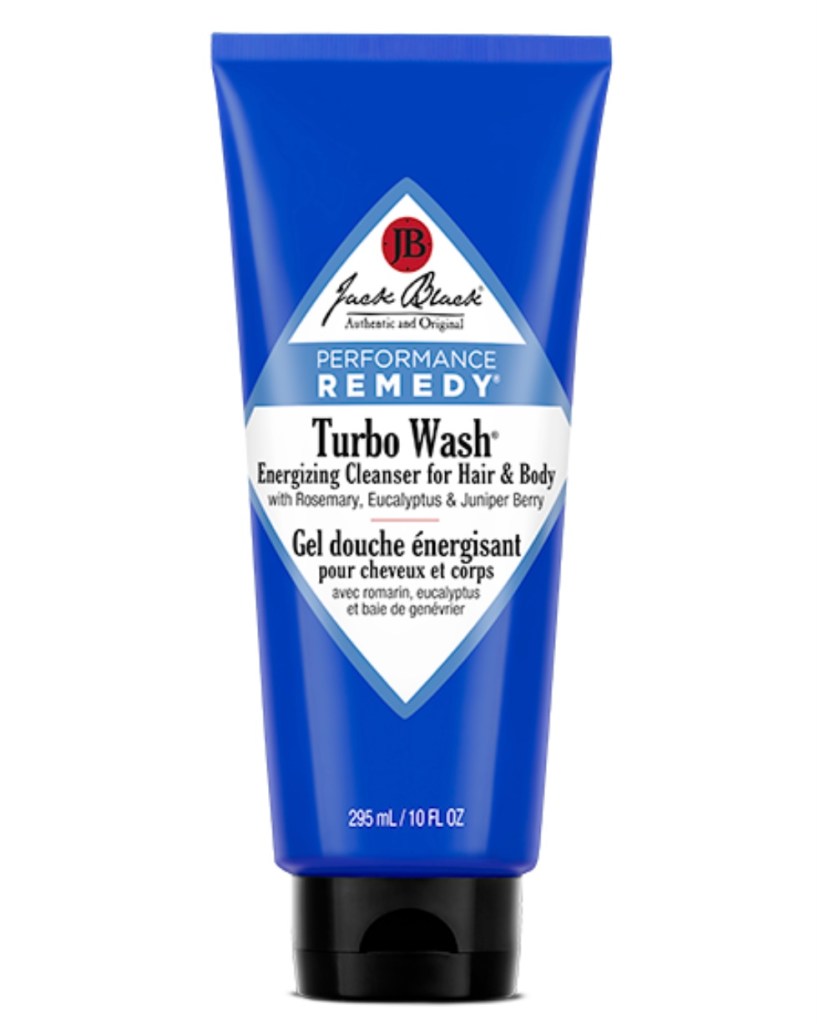
Interviewer: “Tell us what you like about Jack Black Turbo Wash.”
Me: “It has a nice consistency and washes off easily without leaving a film. It works well both as a body wash and shampoo — though I’d advise a conditioner. And it smells really good.”
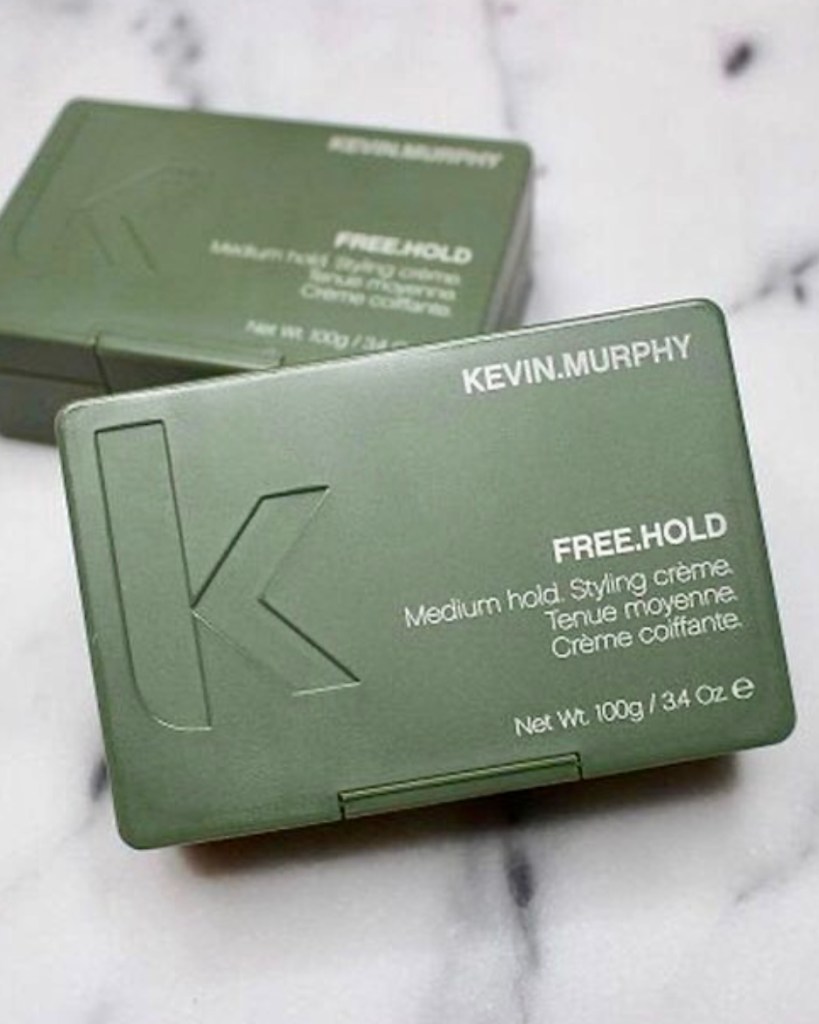
Interviewer: “Okay. What about Kevin Murphy Free Hold Styling Creme?”
Me: “It applies evenly without a heavy build-up. Plus it smells really good.”
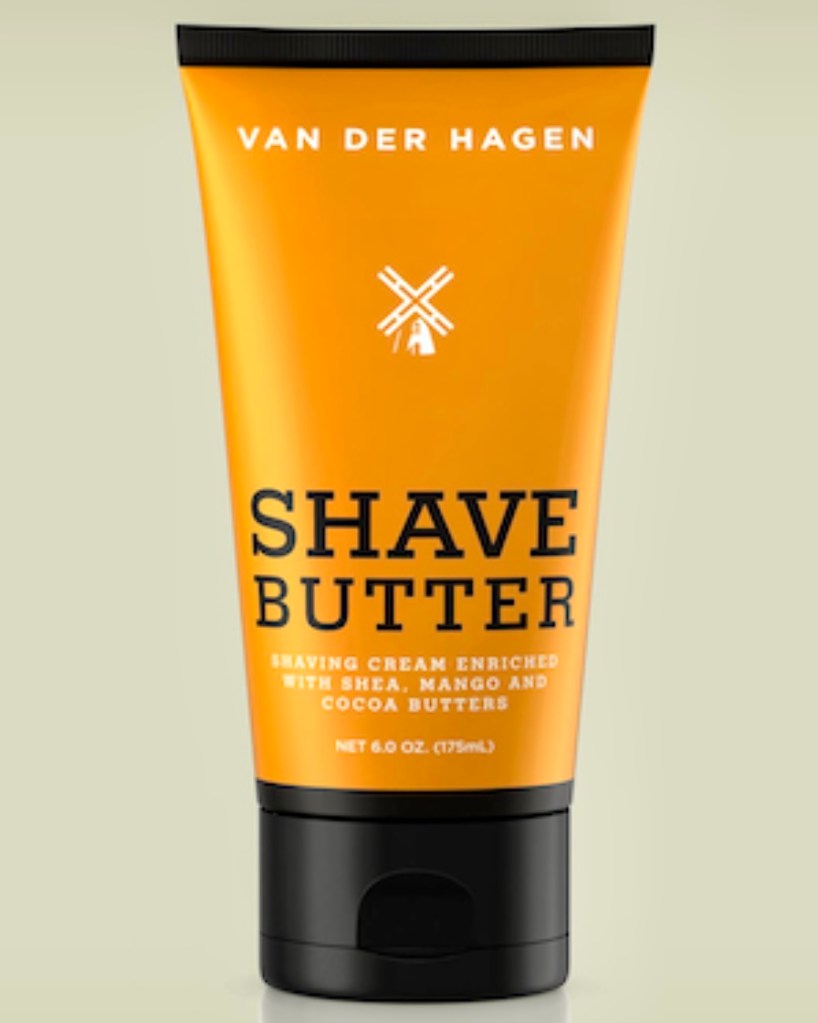
Interviewer: “Excellent, thank you. Now what’s the story with Van Der Hagen Shave Butter?”
Me: “It has a smooth texture and is easy to spread without the wasteful excess of heavy shave creams or the drips and droplets of a thinner brand. Oh, and it also smells really good.”
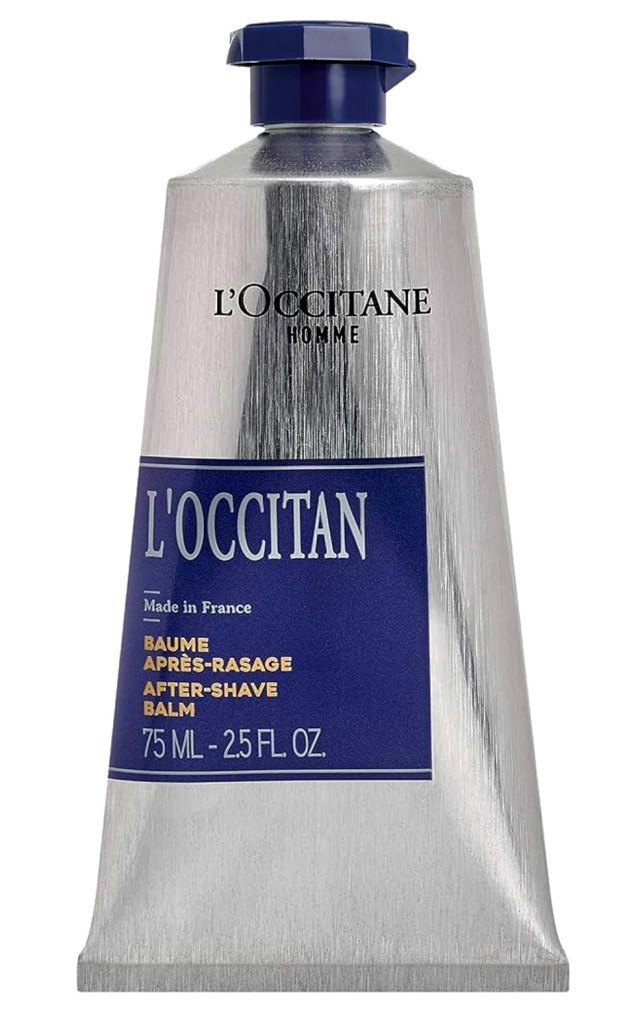
Interviewer: “And, finally, how about the L’Occitane L’Occitan After-Shave Balm?”
Me: “It has a cool, soothing feel that isn’t greasy, and it smells really, really good.”
Interviewer: “And there you have it. Thank you for your time and your insight.”
Me: “My pleasure. Thank you. By the way, what are you wearing?”
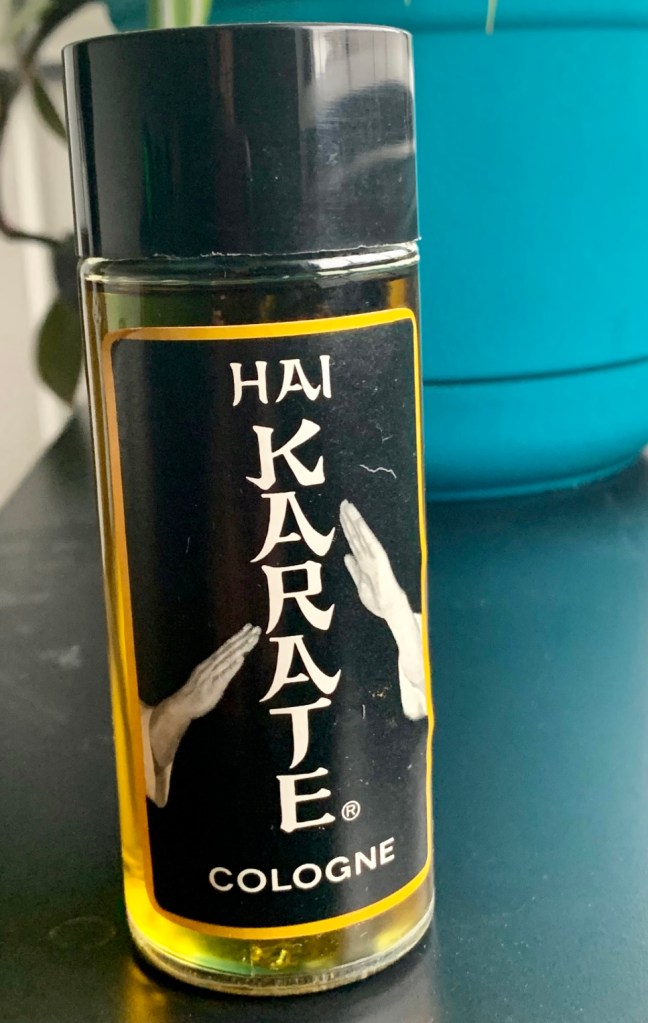
Interviewer: “I visited my grandfather before coming here and splashed on some of his old HAI KARATE, just for kicks. You like it?”
Me: “It’s not good. It’s absolutely fantastic! How much would he want for it?!”
 Great Exudations