I’m highly skeptical of the “executive mindset” that so pervades our success-obsessed society. It strikes me as unduly sterile, mostly humorless, and monomaniacally self-promoting, often hinging on stepping on would-be competitors. I have several colleagues who have fallen into, what is in my view, the trap of climbing the corporate ladder. The force majeure required appears to necessarily involve a dividing of the self into both a (fake) public and (thus contaminated) private persona. The yawning gap between these two mental states — or more to the point between the public face and their original (true) self — becomes increasingly unbridgeable. They are therefore outwardly “successful” financially and in title, but at the same time they seem quite lost. I suspect this basic construct helps to explain why the mega-rich like Donald Trump, Elon Musk and Mark Zuckerberg seem so restless and deeply unhappy. They have simply ceased to be themselves. And while it could be that they hated, or at least were dissatisfied with, their original selves, their reinvented selves often fail to gratify their pining souls. There seems to be an ironic parallel in those who have chosen a life of crime. Ill-gotten gains serve as the barrier to spiritual fulfilment, unless you later make amends and sincerely repent. In fact, it is said that CEO’s and criminals share many overlapping traits featuring a blend of narcissism, sociopathy, embrace of risk, and lack of empathy. The difference between them may be based on luck at birth, education and intelligence, impulsiveness, and the tendency or not to physical violence. What they so often have in common in that it’s never enough. Or their need, as Warren Buffett once said, for “just a little bit more.”
https://www.theatlantic.com/family/archive/2020/07/why-success-wont-make-you-happy/614731
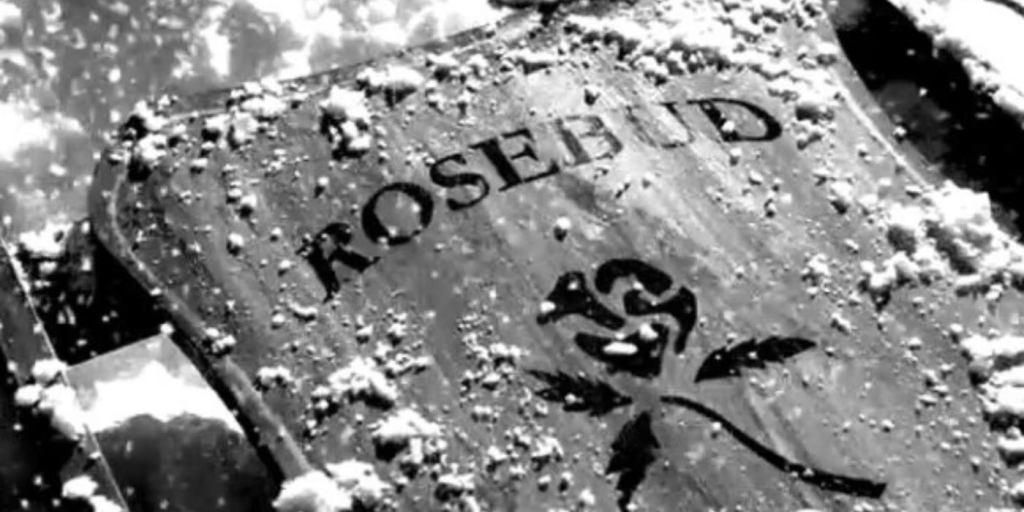
Above is a link to an excellent essay on “success” by Arthur C. Brooks in The Atlantic from July 2020. It’s well worth the time. And it might just save you from your imposter self. Alas, the message came too late for Charles Foster Kane.
“Rosebud.”