“At short intervals one hears news that the movies are about to be uplifted. Does it ever actually happen? It does not. The movies today, if the accounts of those who frequent them are to be believed, are as bad as they have ever been, and in more than one way they grow worse. Has the threat of censorship purged them of their old frank carnality? Perhaps. But in place of it there is only imbecility.”
— HL mencken in the chicago daily tribune on july 3, 1927

“There are, to be sure, films of a better sort, but how many? Certainly not enough to give any color to the general run. In that general run one finds only fodder for half-wits… The best movie ever heard of, put beside the worst play by Bernard Shaw or the worst novel by Cabell, become sheer idiocy.”
— hl mencken in the chicago daily tribune on july 3, 1927

“The movie business, starting out a generation ago on a shoe-string, quickly plunged, like all new enterprises, into an era of wildcatting… The result was a saturnalia of speculation and roguery. Patents were worth nothing to the wildcatters; copyrights were worth nothing; contracts were worth nothing. To take the word of a movie man, in those gay days, was like believing the oath of a prohibition agent… The trade today, so its leaders boast, is as sound as the steel business, and even has its code of honor…”
— hl mencken in the chicago daily tribune on july 3, 1927
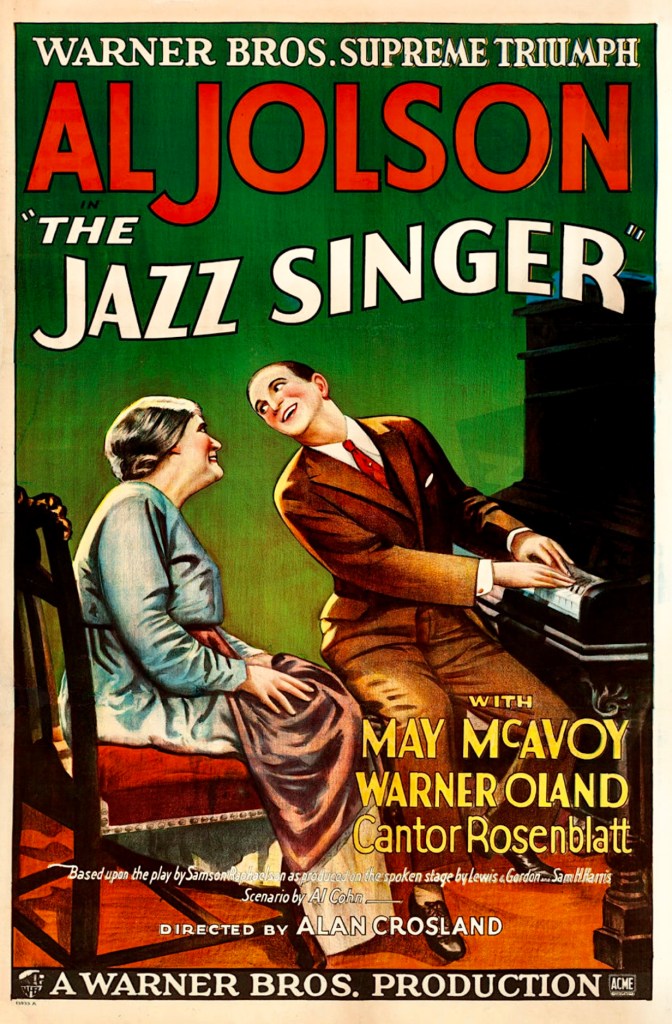
“… But the bookkeeper of an opera house, alas, is seldom competent to select its repertory or to rehearse its caterwaulers. The movies, today, suffer from that profound and inconvenient fact. The men who organized them as an industry now attempt to operate them as an art… And hence their vigorous, paralyzing policing of the authors, scenario writers, directors, and actors who are their slaves. The ideas of these gentry alarm them, as they would a Baptist evangelist or a policeman. They prefer their own.”
— hl mencken in the chicago daily tribune on july 3, 1927

“Soon or late the artist must get his chance. He is halted today by a delusion borrowed from his enemy — that movies are possible only on a grand scale, that they must inflame the morons or have no being at all. This is nonsense… Someday someone with an authentic movie mind will make a cheap and simple picture that will arrest the notice of the civilized minority as it was arrested by the early plays of Eugene O’Neill. When that day comes the movies will split into two halves, just as the theater has split. There will be huge, banal, maudlin, idiotic movies for the mob, and no doubt the present movie magnates will continue to produce them. And there will be movies made by artists, and for people who can read and write.”
— hl mencken in the chicago daily tribune on july 3, 1927
 Great Exudations