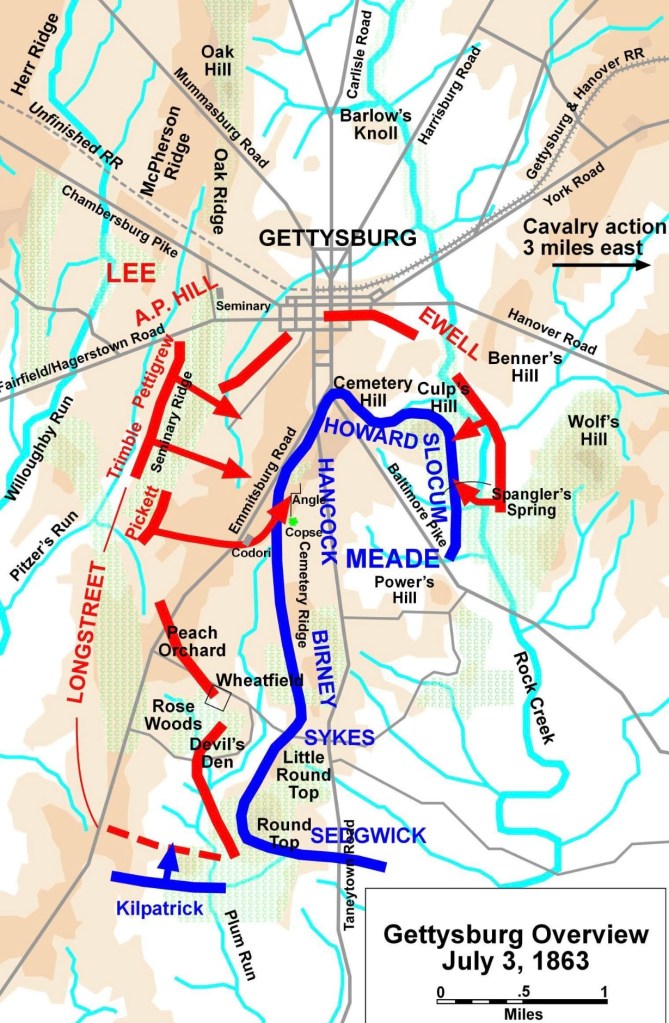
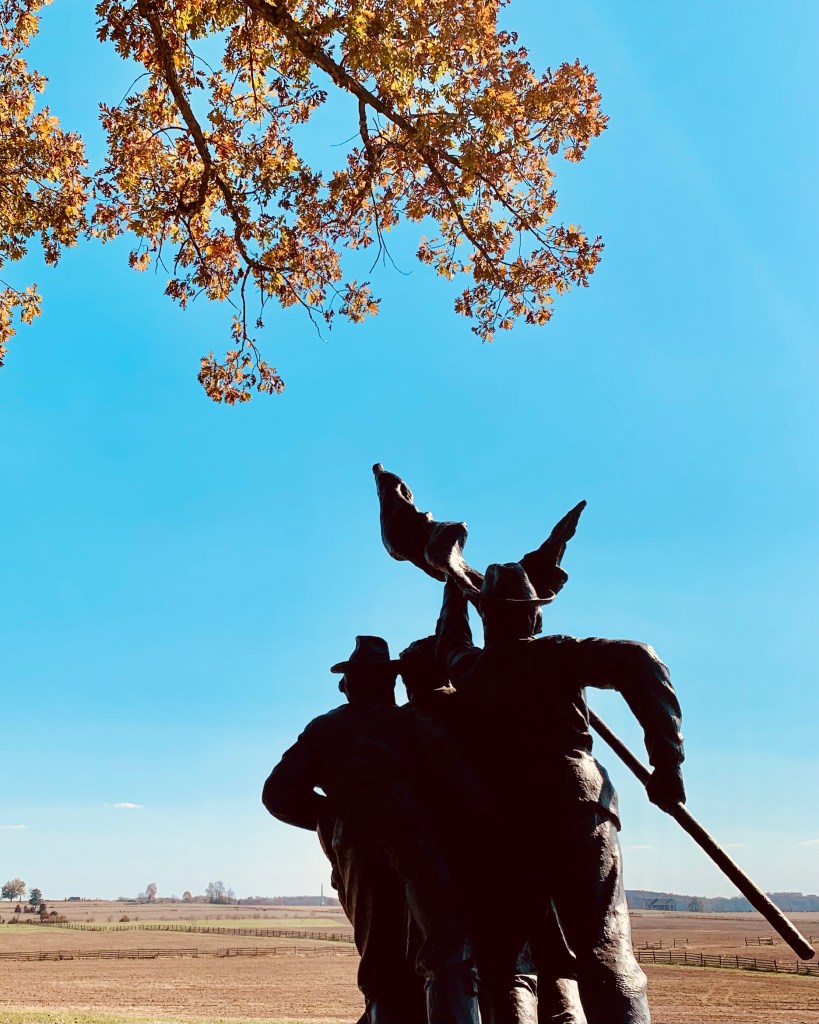
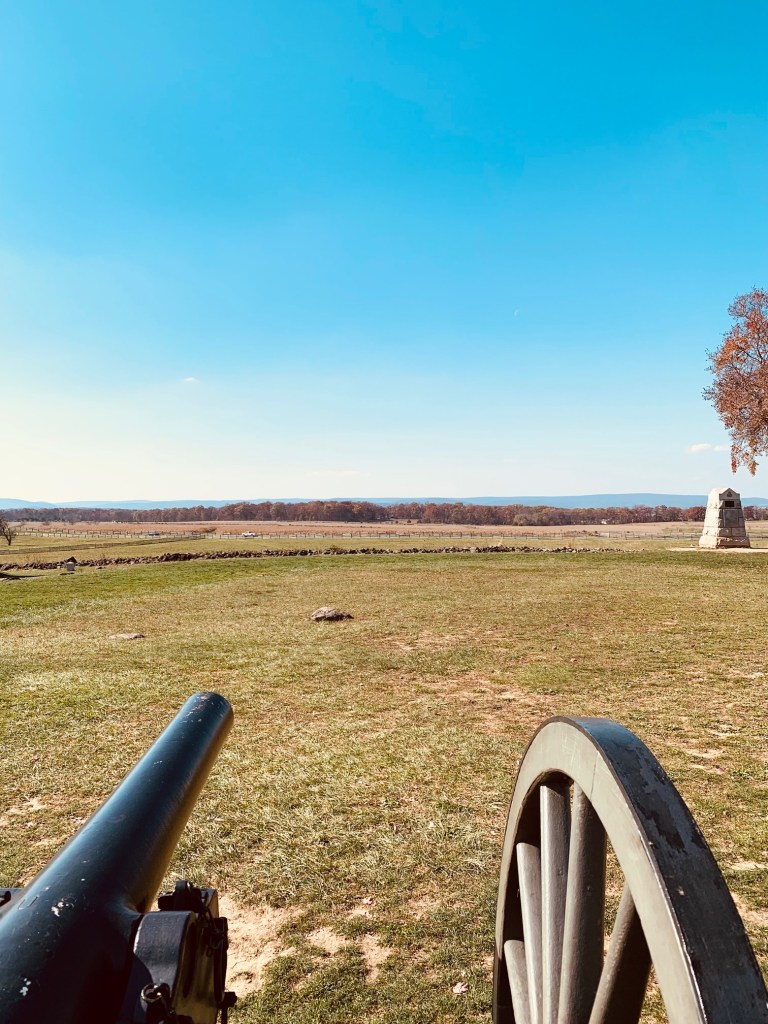
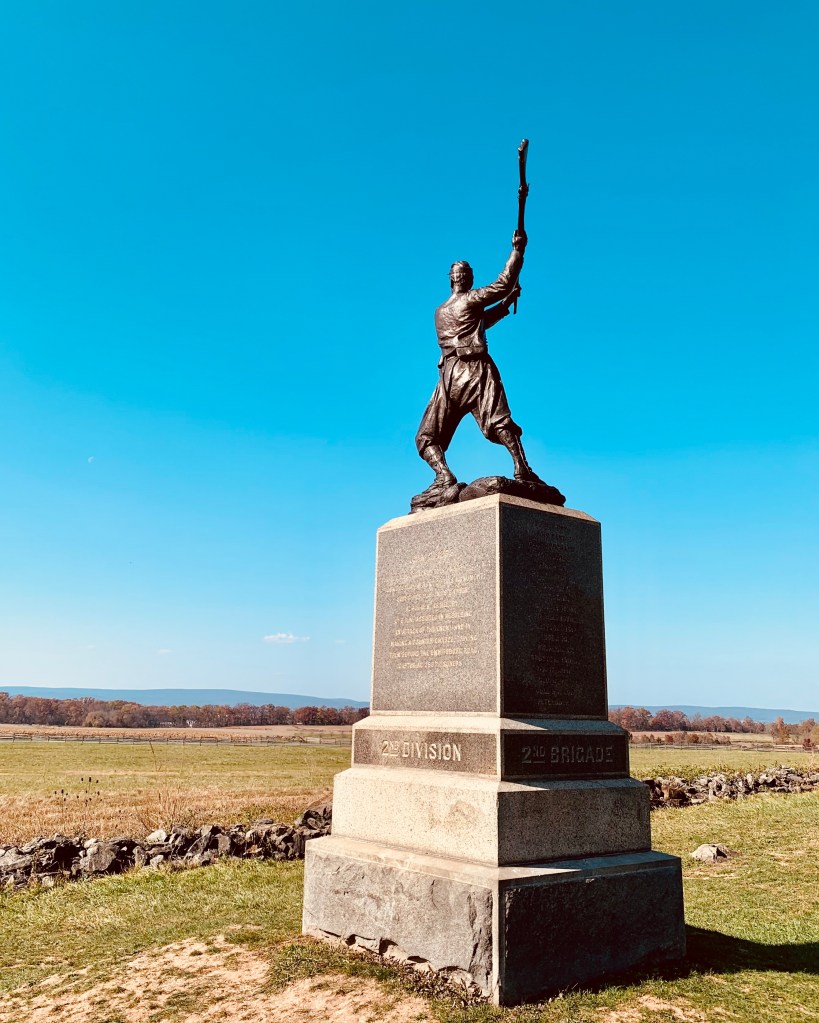
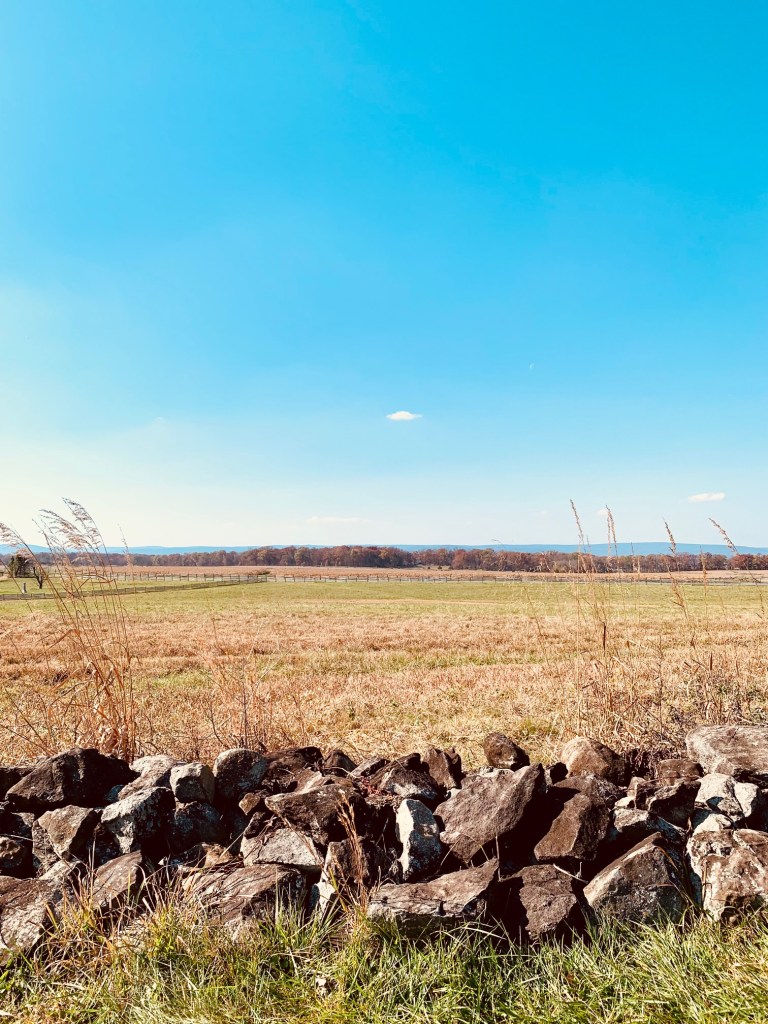
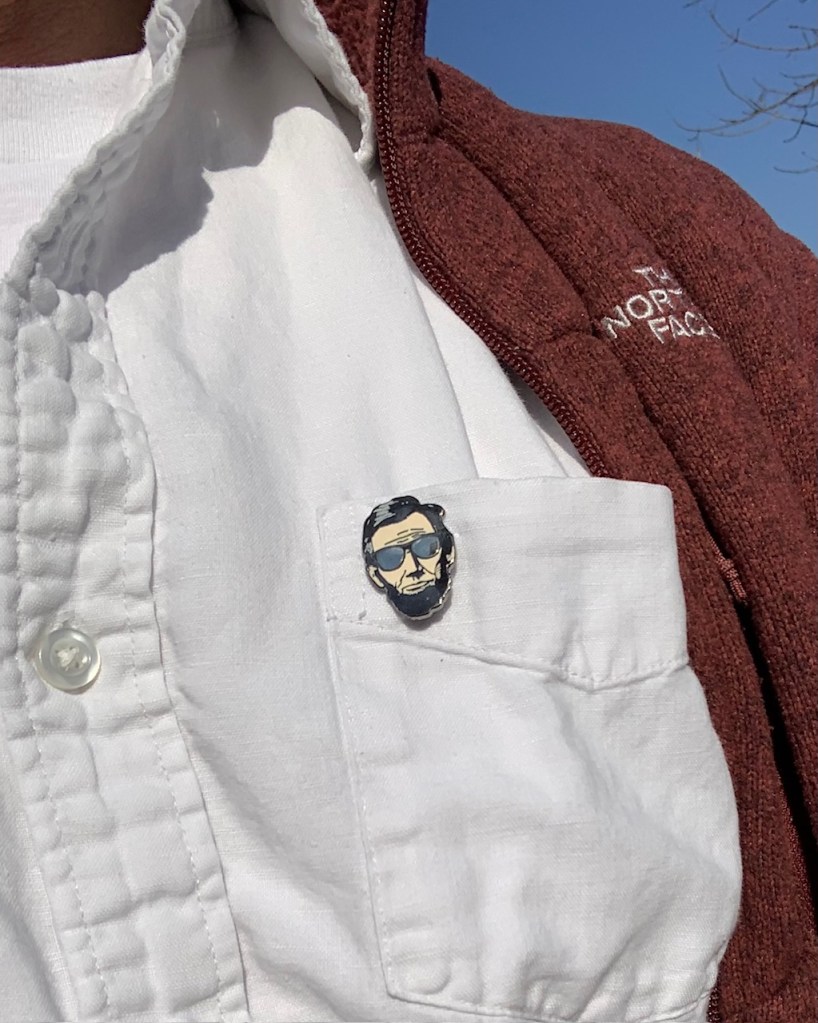
The view looking east from the Confederate side on Seminary Ridge (photo from Nov 2023).The direction of the Confederate attack on the third and final day of fighting (July 3, 1863), commonly referred to as Pickett’s Charge, though sometimes called the Pickett-Pettigrew-Trimble Charge for the commanders of the three divisions in action. They were all under the overall command of Gen. James Longstreet. Gen. George Pickett’s fresh division, mostly Virginians, led the way and thus his name is most often associated with the failed assault. The North Carolina Monument on Seminary Ridge.The divisions led by Pettigrew and Trimble had troops from North Carolina, Mississippi, Alabama, and Tennessee. Imagine those cars in the background are horses. Looking west from the Union line on Cemetery Ridge. Lee chose to attack the center, hoping that simultaneous cavalry action in the Union rear and a coordinated attack on the Union right at Culp’s Hill would cause the enemy’s line to collapse. NOT!!The Union center was breached and there were two transient gaps in the line. The larger gap was filled by a counterattack from the 72nd Pennsylvania (a Zouave regiment whose monument is shown above) who forced the Confederates into retreat in a melee of close-quarter fighting that included bare fists and bayonets. The entire assault lasted less than an hour. The story goes that the Union soldiers waiting behind the wall were shouting, “Fredericksburg! Fredericksburg! Fredericksburg!” in memory of their own disastrous advance on the Confederate line at the Battle of Fredericksburg (Dec 1862). I’m imagining one wise-ass shouting, “Don’t fire ’til you see the yellow of their teeth!” And honestly, post-pandemic, I couldn’t run that far being chased by a bear. Any tour of a great Civil War battlefield inevitably ends in the gift shop. I’m sporting a Hot-Ass Abe pin that I now cherish. Oh, and I also bought a shot glass.
Much of my career in radiology has been spent studying, with great fascination, the internal mechanisms of the human body. This blog is an effort to expand that view to the outside world and also to map my own experiences engaging with it.
View more posts



 Great Exudations