
I’ve been a neuroradiologist for longer than I’ve been most anything else, as I took up guitar later in life and haven’t played golf seriously or proficiently for many years. One thing that’s at once both alluring and frustrating about the job is that there’s still so much to be learned (a return to our theme of ROUTINE + NOVELTY). And even if today they froze all knowledge, I would never catch up. Not to mention all the new drugs seen advertised as I numb my mind with reality TV (if there’s one thing that “Summer/Winter House” has taught us it’s that Luke Can’t Close (LCC). Poor Luke…). Strange names, indeed: Skyrizi, Latuda, Tremfya, Ocrevus, Taltz, Cibinqo. Most peculiar, Mama. And the list goes on and on. I’m baffled as to how my clinical colleagues deal with it. Maybe someday there will be just one giant horse pill that cures them all (Omrizi? Alltuda? Pancrevus?). But then atop this burgeoning pharmacopoeia come brand new diseases that you’ve never heard of like Bosch-Boonstra-Schaaf Optic Atrophy Syndrome. Presumably know only to the seven authors listed above prior to this publication, my first notion was a somatic disorder of vision loss after viewing “The Garden of Earthly Delights” by Hieronymus Bosch. An emotional impact so strong, mind you, that it results in atrophy of the optic nerves to prevent repeat viewing.

There is a lesser known variant (isn’t there always) of, if I may, BBSOAS that results in otic atrophy (BBSOtAS). Even one listen from start to finish of Scott Walker’s 2012 album “Bish Bosch” can cause irreversible hearing loss. I know this only because several friends bought the record to their ultimate dismay.

All this to say that what caught my eye in skimming the above journal abstract was the unintentionally humorous use of the word “common.” Medical verbiage cannot help but veer into self-parody, and I found funny the notion that anything could be deemed common in such a rare disease. The authors list the following in this category: mesial temporal dysgyria, perisylvian dysgyria, posterior predominant white matter volume loss, callosal abnormalities (a bit vague for my money), lacrimal gland abnormalities, and optic nerve volume loss. Got it, team, and I’ll on the look-out! But to these anomalies I would like to suggest some “uncommon” findings that may, or may not, be associated with BBSOAS (and BBSOtAS):
Hypotelorism (or is it hypertelorism? I can never recall. Both??)
Fused thalami
Schizencephaly
Colobomas (what isn’t?)
Monoventricle
Bifid ribs
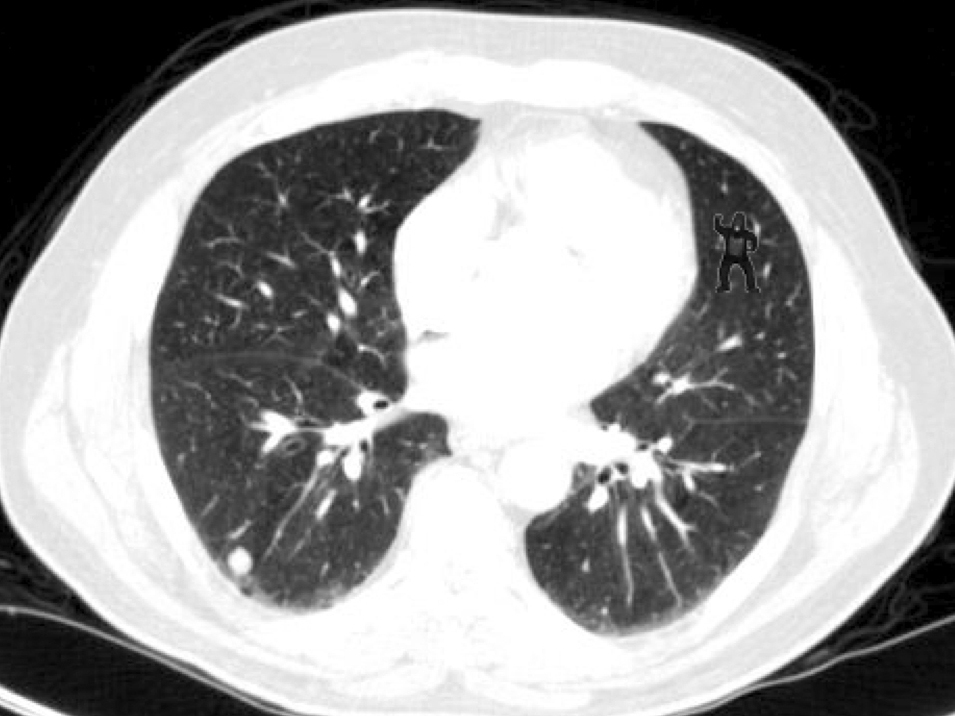
Gorilla lung
Chthonic kidneys
Pancreatic microcystic/maybe solid papillary and/or mucinous neoplasm of uncertain malignant potential but usually benign (PMMSPAOMNUMPBUB lesion)
Anal duplication (one case report of triplication… another friend of mine)
Adnexal gnomes (JS!)
 Great Exudations